
What Is Seed Paper? The Fascinating Eco Trend Transforming Sustainable Events
What Is Seed Paper? Your Guide to Plantable Name Badges & Cards
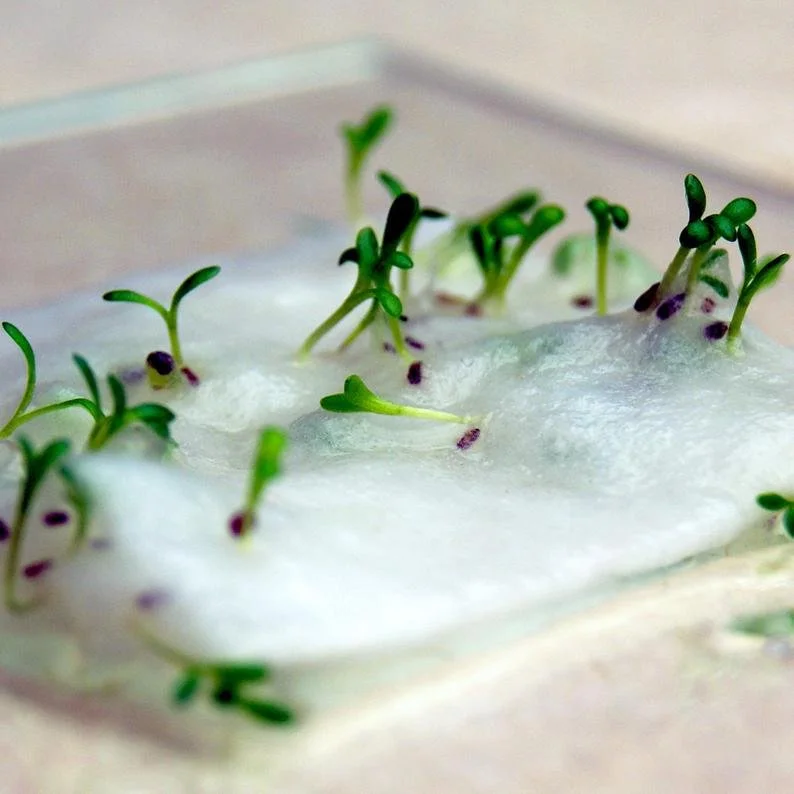
Seed paper is a type of eco-friendly paper that includes seeds embedded within the paper pulp. When the plantable paper is put in soil and watered, the paper biodegrades and the seeds germinate, growing into flowers, herbs, or vegetables. It is crafted from pre and post-consumer waste, primarily recycled paper, and is designed to achieve a zero waste goal, leaving no trace behind. This makes it a popular material for sustainable name badges, invitations, promotional products, and seed cards, offering a memorable and environmentally positive alternative to traditional paper products.
What is seed paper? Seed paper is an eco-friendly, plantable paper embedded with seeds that grow when planted. If you’ve ever wondered what is seed paper made from or what is seed paper used for, this guide covers everything — from how it’s made to how it supports zero-waste events in Australia.
At a time when we’re all searching for meaningful ways to reduce our footprint, what is seed paper becomes more than a question – it’s a tangible solution you can plant. It’s more than just a piece of paper; it’s a statement and a commitment to sustainability that you can hold in your hand and later plant in the earth. Instead of an item like a plastic name badge ending up in a landfill, it returns to nature, turning a simple name tag or invitation into a living, breathing plant. This simple swap tackles event waste head-on and transforms a disposable item into a memorable, eco-positive experience.
How Is Seed Paper Made?
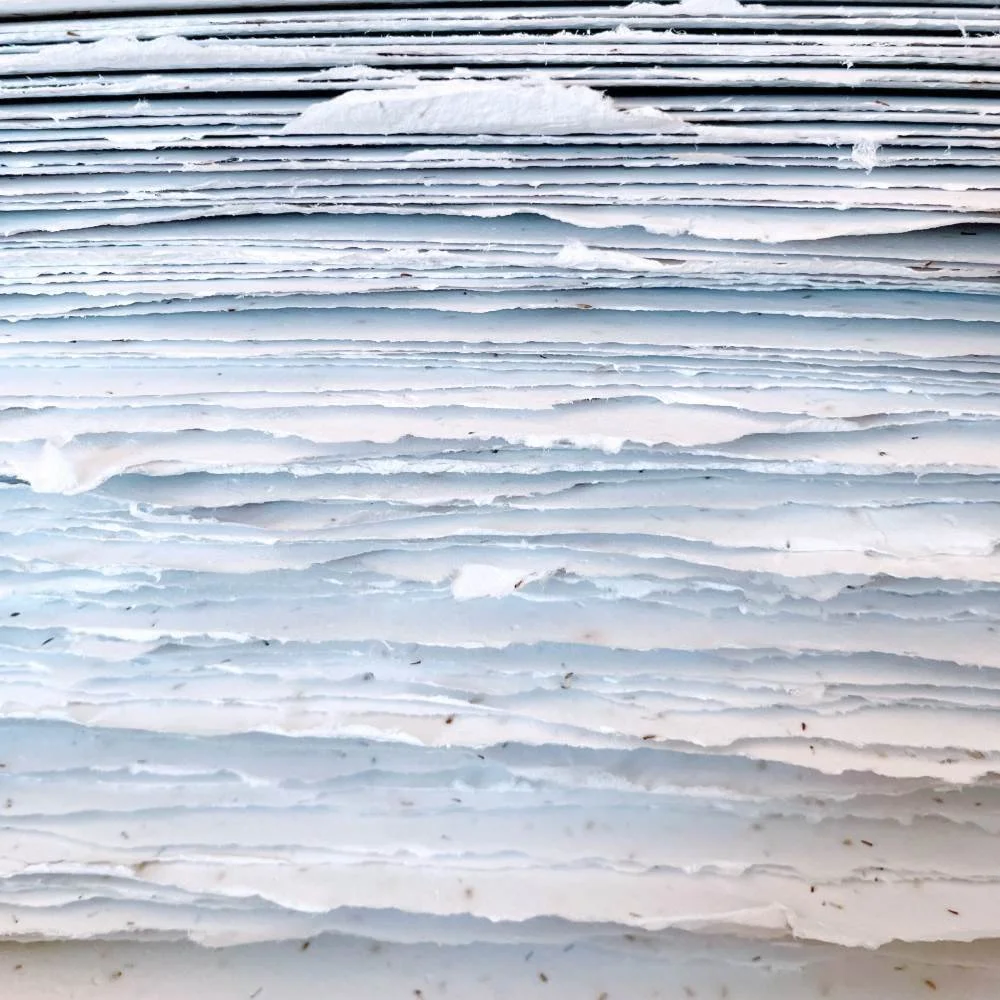
Before we look at how it’s made, let’s clarify what is seed paper in practice: recycled fibres are pulped, seeds are embedded, and sheets are dried for planting. The paper making process marries ancient art with modern ecological principles, resulting in beautiful handmade paper.
Handcrafted vs. Machine-Made: The Terra Tag Difference
While some paper is mass-produced, the most character-rich answer to what is seed paper—and why it feels different, comes from handcrafted methods.. At Terra Tag, we call it our “rescue mission.” It answers the question of how to make seed paper with integrity.
Waste Paper Rescue:
-
It begins by collecting 100% post-consumer waste, including recycled A4 paper and offcuts from local printers and schools on the Sunshine Coast that would otherwise go to landfill.
Pulp Creation:
-
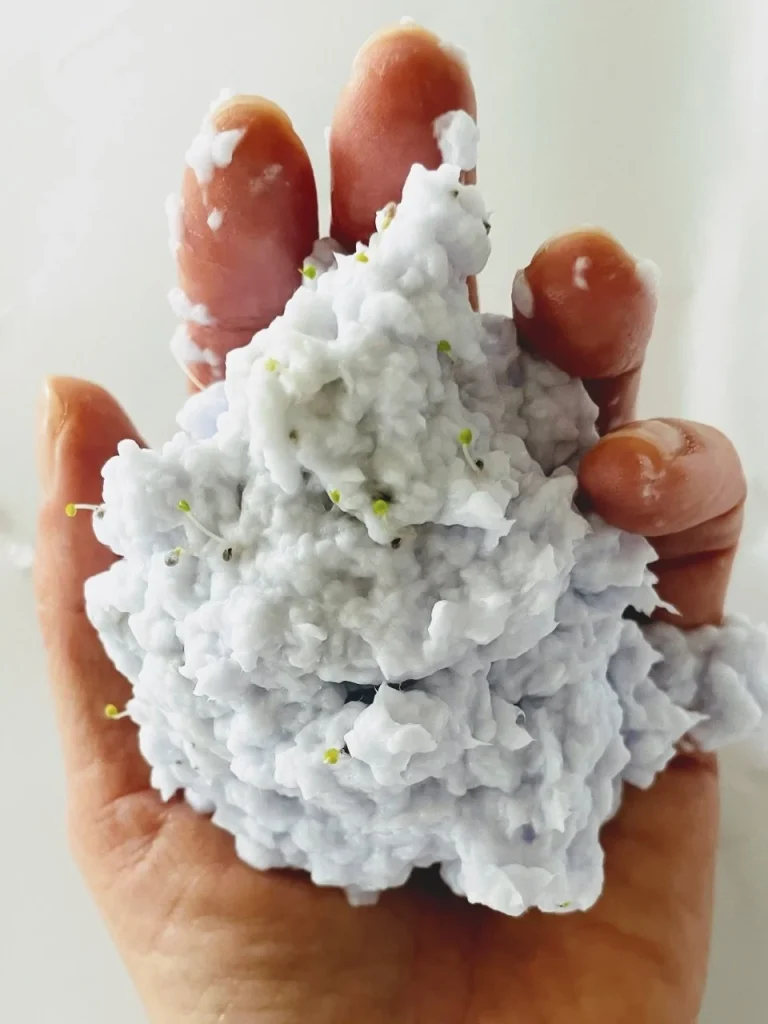
The paper is hand-torn and blended with water in small batches to create a pulp. We use minimal water from rainwater tanks and absolutely no harsh chemicals, bleaches, or dyes.
Seed Embedding:
-
Carefully selected seeds Australia loves are stirred into the pulp. The mix is then hand-pulled through a mould and deckle, forming individual sheets of this unique paper that you can plant.
Solar-Powered Drying:
-
Each sheet is dried using the power of the Queensland sun. We use open-air racks and a solar-heated drying cabinet, ensuring our process is as low-impact as the final product.
This handcrafted method gives our custom badges a tactile, authentic feel, a stark contrast to uniform, machine-made alternatives.
Types of Seeds Used in Australia
When people ask what is seed paper used for in Australia, the most critical element is the seeds themselves. The integrity of any plantable cards or name badges depends on using seeds that are beneficial, not harmful, to the environment.
Local vs. Invasive Species
A crucial consideration, especially in Australia, is the use of local, non-invasive seeds. Importing seeded paper or using seeds not native to the region can risk introducing foreign species. Truly sustainable companies prioritise using seeds Australia can safely grow, like native species or proven non-invasive herbs and flowers. This avoids the ecological risks associated with importing seeds Australia-wide.
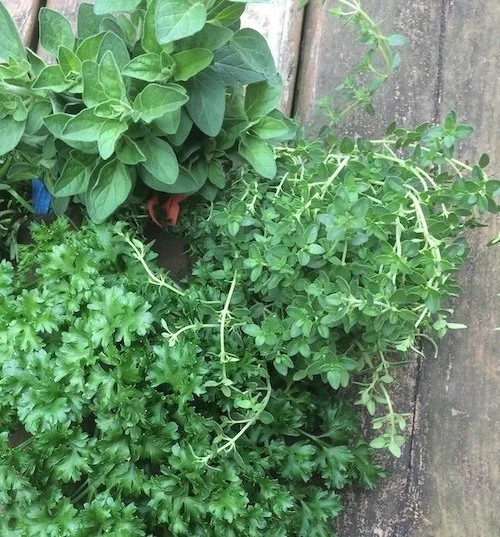
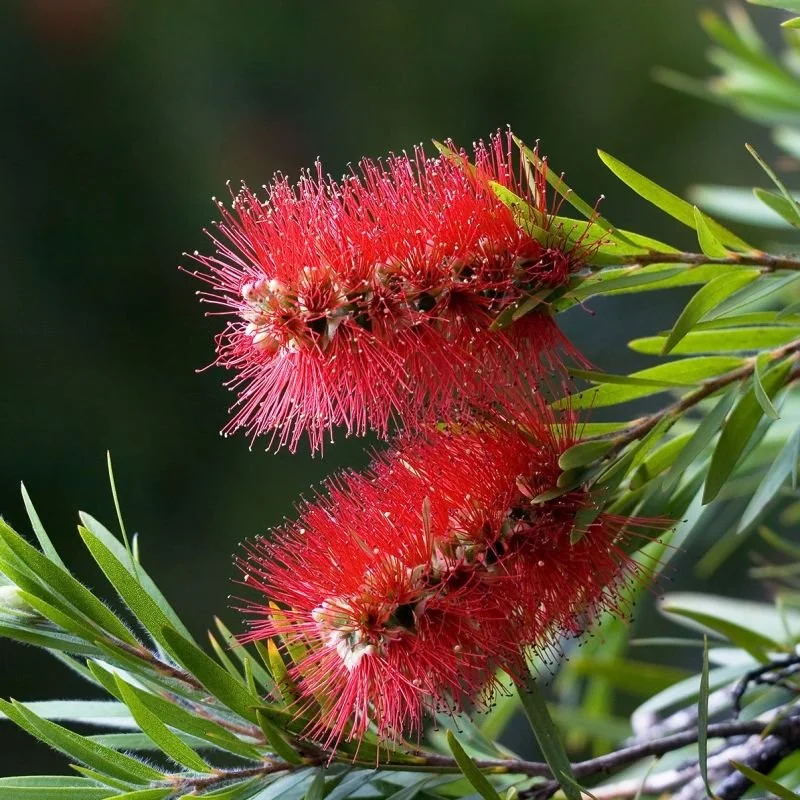
Terra Tag’s Australian Seed Mixes
Terra Tag exclusively uses high-germination seeds suited to Australian climates:
Benefits of Seed Paper vs. Plastic Name Badges
Choosing seed paper goes far beyond ‘going green’ and it answers what is seed paper used for at events: cutting waste while creating value. It offers a powerful mix of environmental, practical, and emotional advantages over items like a plastic name tag or using a traditional id card holder.
Environmental Benefits:
-
The most obvious win is its zero-waste lifecycle. Made from 100% recycled paper, it actively diverts waste from landfill. It biodegrades completely, enriching the soil and creating life. This also results in a quantifiable reduction in CO2 emissions compared to producing and disposing of a plastic id card holder.
Practical Benefits:
-
Modern seed paper is surprisingly robust. At 300gsm, it is thicker and more durable than a standard business card, holding up for multi-day events without needing a separate badge holder. It can be printed with vibrant, full-colour designs using bold font choices, making it as functional as it is beautiful.
Emotional Benefits:
-
Seeded paper creates a “wow” moment. It’s a conversation starter that leaves a lasting impression. Handing someone a plantable name badge they can grow is a memorable experience that connects your brand to values of innovation and care, unlike the disposable feeling of a ‘hello my name is’ sticker.
Justifying the Switch: How Seed Paper Delivers Value Beyond Cost
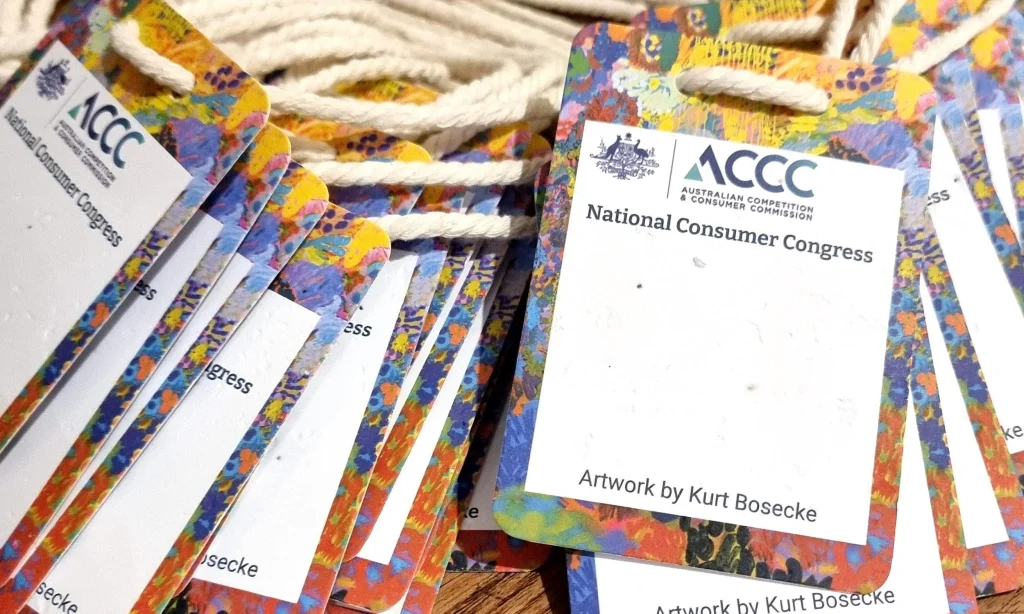
Choosing sustainable name badges is more than just an environmental decision; it’s a strategic one. For event planners and brand managers who need to justify the choice to a team or finance department, the value of seeded paper extends far beyond its material cost. Here’s how to frame the argument:
-
It Creates Operational Efficiency & Reduces Hidden Costs: A traditional plastic name badge involves multiple components and hidden labour costs: sourcing plastic holders, printing paper inserts, and paying staff for hours of tedious manual assembly. Our plantable name badges arrive pre-assembled and sorted. This is an all-in-one solution that saves your most valuable resource: your team’s time. The investment shifts from paying for plastic and labour to paying for a premium, hassle-free experience.
-
It Enhances Your Brand Story & Generates Positive Buzz: Brand perception is paramount. A plantable name badge is a powerful marketing tool. It tells a story of innovation, care, and a commitment to genuine eco-friendliness. Attendees don’t just see a name tag; they see a conversation starter and a memorable gift. This generates positive social media mentions and word-of-mouth marketing that a plastic badge never could, providing a significant return on investment in brand equity.
-
It Delivers Measurable ESG Impact for Reporting: For companies focused on Corporate Social Responsibility (CSR) and ESG (Environmental, Social, and Governance) reporting, swapping to seed paper is a tangible, reportable win. Every Terra Tag order includes a CO2 savings calculation, providing you with concrete data for your annual sustainability reports. You can state definitively: “At our event, we prevented X plastic holders from entering landfill and saved Y kg of CO2 emissions,” turning a simple choice into a powerful metric of your company’s commitment.
Use Cases for Plantable Paper Products
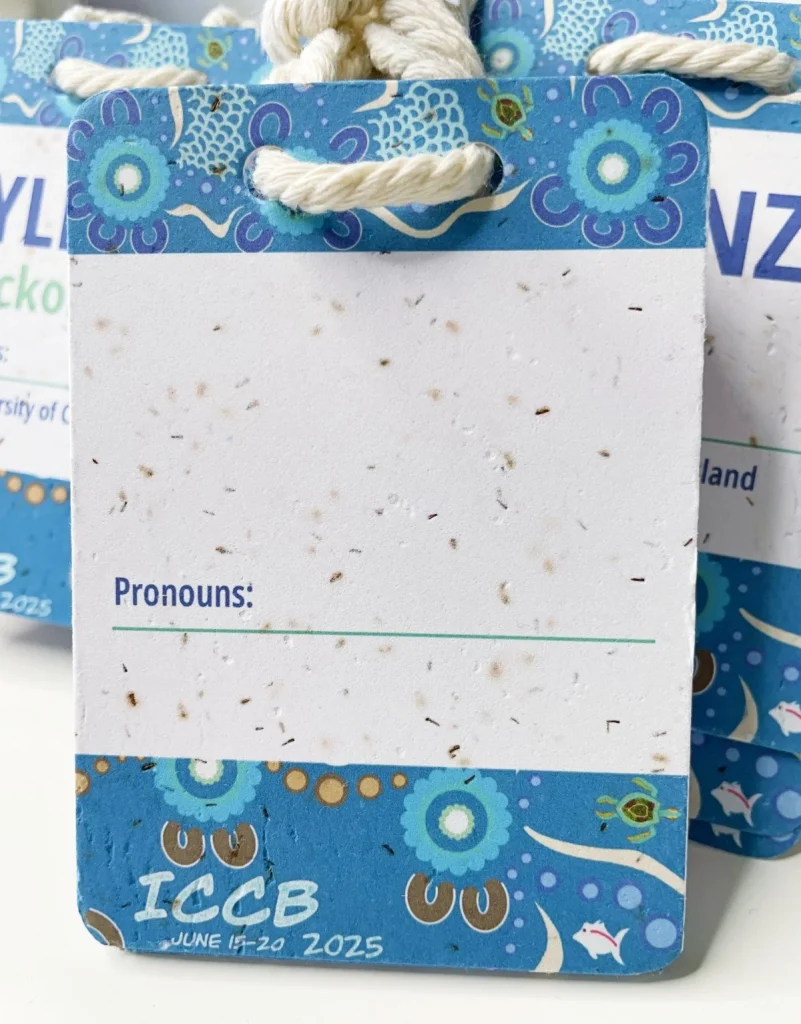
If you’re exploring what is seed paper used for, its versatility spans plantable badges, cards, packaging tags and classroom projects.
Events & Conferences:
-
Plantable name badges and conference name tags are a game-changer for sustainable events. They are a perfect alternative to plastic name badges.
Promotional Products:
-
Seeded paper business cards and plantable cards Australia trusts are unforgettable marketing tools. They are a cut above standard business cards printing.
Eco-Friendly Packaging:
-
Brands use paper tags on products, adding a layer of eco-luxe value.
School Activities:
-
Seed paper is a fantastic educational tool for a DIY name badge project, teaching children about recycling and growing seed.
Design Inspiration: Making Your Seed Paper Shine
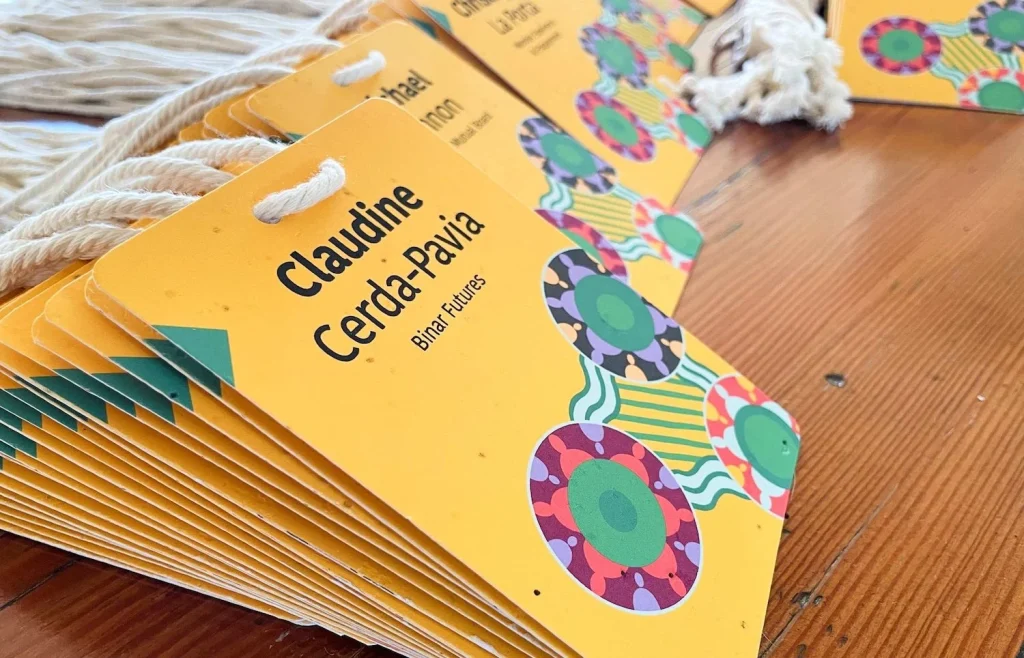
A common concern for corporate lanyards and events is whether an eco-friendly product can look polished and professional. The answer is an emphatic yes. The key is to design with the medium, not against it. A thoughtful badge design elevates the material from “crafty” to “artisanal.”
Embrace the Texture:
-
High-quality handmade paper has a beautiful, tactile surface with visible seed flecks. Instead of covering it with heavy, solid blocks of dark ink, let the paper breathe. Use clean layouts with plenty of white space. This allows the unique character of the recycled paper to become a feature of your design, signaling authenticity.
Prioritise High Contrast & Bold Fonts:
-
To ensure names and titles are readable from a distance, high contrast is crucial. Use a clean, bold font in a dark colour on the off-white paper. This makes the critical information – the name tag name – pop, ensuring the badge is both beautiful and functional for networking.
Use QR Codes Smartly:
-
Free up space on your custom name badges and reduce paper waste elsewhere by using a QR code. Link it to the event agenda, speaker bios, or your company’s sustainability mission. This makes the badge an interactive tool and demonstrates modern, efficient thinking.
By following these principles, your printed name tags will look intentional, premium, and perfectly aligned with a forward-thinking brand.
Is All Seed Paper the Same?
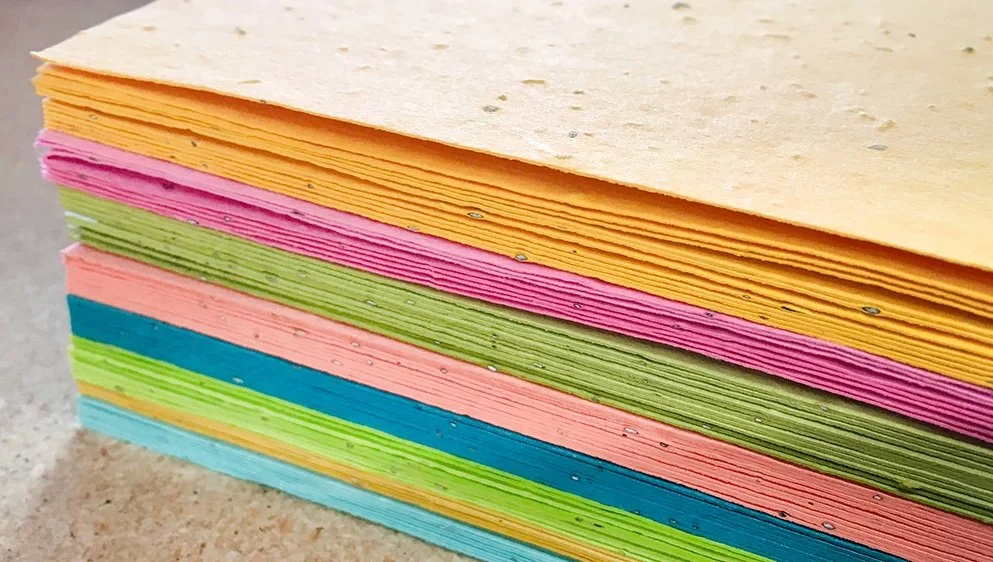
To properly answer what is seed paper made from and whether all options are equal, it’s crucial to look beyond the ‘eco’ label. The quality and integrity of seed paper Australia-wide can vary.
Quality & Germination Issues
-
Low-quality paper may suffer from poor germination rates. Reputable suppliers test their batches to ensure the seeds are viable. At Terra Tag, we’re proud to have germination stats to prove our paper that you can plant really works.
The Importance of Sourcing
-
Always ask where to buy seed paper. Paper made with virgin fibres or unknown seeds undermines its purpose. Sourcing locally from an Australia paper company ensures accountability and reduces the carbon footprint.
For independent guidance on sustainable event materials and native species, consult the City of Sydney Sustainable Event Guidelines . These resources help verify best practice when selecting plantable papers and non invasive seeds for events.
How to Plant Your Seed Paper Name Badge
If you’ve wondered what is seed paper and how to plant it, this quick guide makes the process easy.
-
Soak: Soak your seed paper name tag in water for a few hours.
-
Plant: Place the softened paper on top of seed-raising soil.
-
Cover: Cover lightly with a thin layer (about 3mm) of soil.
-
Care: Water thoroughly and keep the soil moist. Place in a sunny spot and watch it grow!
For a full guide tailored to Australian conditions and a walkthrough of how to recycle your biodegradable lanyard, please visit our complete Planting and Recycling Instructions page.
By choosing plantable cards and badges, you participate in a circular economy proving that thoughtful choices create a big impact.
Pro Tips from a Master Papermaker: Ensuring Your Garden Grows
As a papermaker, I know the joy of watching these little seeds sprout. While our instructions are straightforward, nature always has its own rhythm. To help you get the best results from your seed paper, here are a few insider tips learned from years of paper making and planting:
What is seed paper planting depth? Don’t plant it too deep:
-
This is the most common mistake. The seeds embedded in the paper are tiny and only need a very light covering of soil (about 3mm). If buried too deep, they won’t get the sunlight they need to signal germination. Just a light sprinkle of soil is perfect.
Moisture is Your Mission (For the First 10 Days):
-
Think of the seed paper like a sponge. For the seeds to activate, that sponge must stay consistently moist, not soaking wet, but never allowed to fully dry out. In the first 1-2 weeks, a daily light watering is crucial. If the paper dries out at this critical stage, germination can stall.
Be Patient with Mother Nature:
-
Not all seeds sprout at the same speed. Alyssum can pop up in a few days, while herbs or native flowers like the bottlebrush might take a few weeks. Don’t be discouraged if you don’t see green shoots immediately. Keep the conditions right, and they will emerge.
A Note on Our Feathered Friends:
-
Sometimes, local birds can be curious about the newly laid seeds. If you’re planting in an open garden bed, you might consider lightly covering the area with a fine net for the first week or two until the seedlings are established.
Following these tips will give your little paper garden the best possible start, turning your plantable card into a thriving patch of green.
Frequently Asked Questions About Seed Paper & Name Badges
Q1: Will these plantable name badges actually grow?
A: Yes, genuinely! Our handmade paper is embedded with fresh, non-GMO seeds that thrive in Australian conditions. We test every batch. No greenwashing, just green-growing from our eco friendly paper.
Q2: Are Terra Tags durable enough for multi-day conference events?
A: Absolutely. Our 300gsm paper is as sturdy as a very thick business card, designed to last without needing plastic name tag holders. These conference name badges are built to impress.
Q3: Can you ship seed paper to Name Badges Perth, or to WA/TAS?
A: We ship our products across most of Australia. However, due to strict quarantine for bringing seeds into Australia, we cannot send seed paper to WA and Tasmania. For events in these states, we recommend our equally beautiful Recycled Paper Name Badges, which are seed-free, fully compliant, and a fantastic sustainable name badge option.
Q4: How long can I store seed paper badges before planting?
A: We recommend planting them within 12 months for the best results. The seeds will remain dormant for up to two years if the paper is kept in a cool, dry place. If someone asks you what is seed paper, show them your badge or card—and then plant it together.
