
Eco-Friendly Event Marketing Strategies: A Comprehensive Guide for Australia
By Rhonda Sweet · Updated 19 November 2025

If you are planning a conference or workshop in Australia and trying to market it sustainably, you are juggling a lot. Attendee numbers, sponsorship targets, internal expectations, and a healthy fear of greenwash. This guide gives you practical eco-friendly event marketing strategies that work in the real world.
You will find a simple plan, ideas for different budget levels, and ready-to-use copy you can paste straight into your landing page and emails. The goal is simple. Help you run sustainable events Australia can be proud of, without burning out your team.
Who this guide is for and how to use it
This guide is designed for busy teams who want credible, no-nonsense advice on green event marketing in Australia.
- Corporate and government organisers juggling sponsors, stakeholders, and compliance.
- Association and not-for-profit teams working with tight budgets and volunteer time.
- Sustainability leads who need marketing to reflect the event’s actual impact.
- Start with the budget section and choose the tier that best matches your resources.
- Use the four phase plan as your backbone for sustainable event planning.
- Follow the timeline, then copy and adapt the templates at the end.
Start with your goals and constraints
Before you choose specific eco-friendly event marketing strategies, get clear on what success actually looks like for your team.
- Marketing outcomes such as registrations, attendance percentage, sponsor leads, waitlist size, and repeat attendance.
- Sustainability outcomes such as plastic avoided, waste reduced, CO₂ saved, and improved perception of your sustainability efforts.
- Budget and capacity including money for paid campaigns, design, photography, event apps, and how much staff or volunteer time you really have.
Spend ten minutes writing one sentence for each of the three areas above. Keep them visible while you plan. It is much easier to defend decisions when you can point to agreed goals.
Why eco-friendly event marketing matters in Australia
Australian audiences are increasingly sceptical of vague sustainability claims. They expect concrete actions, not just a green hero image and a recycling bin. Thoughtful green event marketing strengthens your reputation and reduces risk.
- Reputation and trust. Clear, honest communication about sustainability choices builds confidence with attendees and stakeholders.
- Risk management. Sloppy claims or token gestures can be called out as greenwash, particularly in government and corporate settings.
- Sponsor value. Sponsors increasingly have ESG goals of their own. They want events that reflect their commitments.
- Attendee experience. Simple, eco focused decisions like digital agendas and intuitive waste stations make the event feel more organised and considerate.
Eco-friendly event marketing strategies for every budget
Not every team has a big campaign budget. The good news is you can run credible sustainable events Australia can be proud of at any level. Choose the tier closest to your reality and adapt from there.
⭐️ Good tier when budget is very limited
Ideal for small teams, internal events, and associations with minimal funds.
Marketing actions
- Use your existing email list with clear subject lines that highlight value and sustainability.
- Share honest, low-production posts on LinkedIn, Facebook, and Instagram about what makes the event useful and eco-focused.
- Ask speakers, partners, and internal leaders to share pre written blurbs to their networks.
- Use Eventbrite or similar platforms to tap into their organic discovery features.
- Write a short blog post or LinkedIn article that explains the event theme and sustainability approach.
Eco-friendly event marketing strategies at this level
- Switch from plastic to recycled or plantable name badges so sustainability is visible from the moment guests arrive.
- Use digital check-in instead of printed lists and clipboards.
- Replace printed booklets with a simple mobile-friendly agenda page.
- Add a short sustainability paragraph to your registration page and confirmation email.
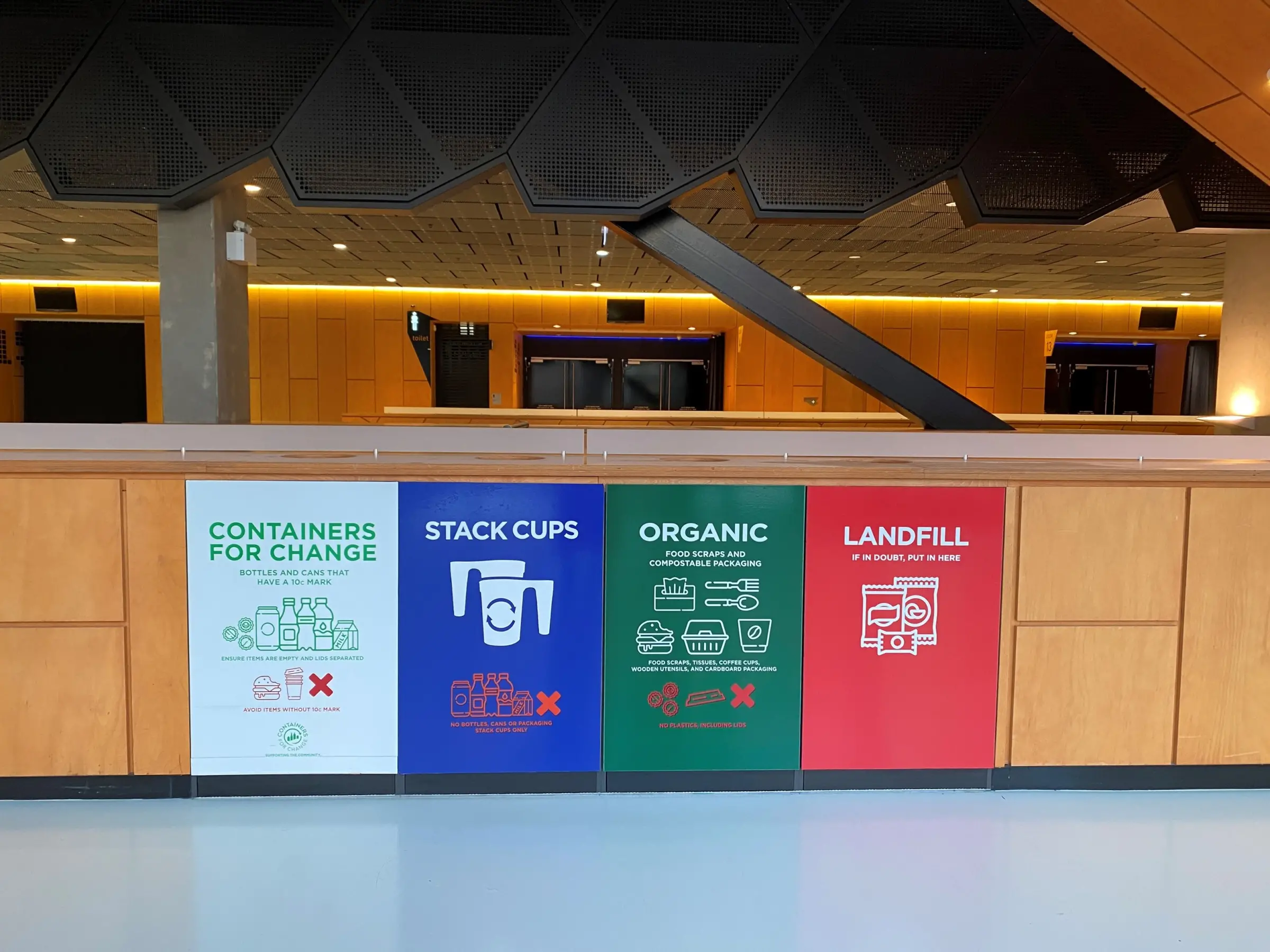
- Set up basic waste separation with clear signage and one volunteer at peak times.
Evidence you can show afterwards
- Number of printed materials avoided.
- Plastic avoided by swapping to eco badges and lanyards.
- Attendance rate compared with previous events.
⭐️⭐️ Better tier when you have a modest budget
Ideal for government events, state-wide conferences, or corporate offsites with some budget and a small marketing team.
Marketing actions
- Boost key posts on LinkedIn and Meta to reach your exact audience by role, sector, or location.
- Create a short video in Canva showing speakers, venue, and your sustainability highlights.
- Commission one photographer on the day to build a reusable image library.
- Partner with councils, universities, or associations to feature your event in their email newsletters.
- Add an FAQ section on your registration page to reduce barriers and improve search performance.
Eco-friendly event marketing strategies at this level
- Create a dedicated sustainability page explaining venue credentials, eco choices, and how attendees can help.
- Use Terra Tag eco name badges and biodegradable lanyards in all photography so your sustainable choice is obvious.
- Build a simple QR-accessible digital hub with agenda, maps, speaker bios, and waste station locations.
- Offer sponsors green activation ideas such as refill water stations or phone charging powered by renewables.
- Include one short sustainability spotlight in the agenda, for example a five-minute plenary or panel question.
Evidence you can show afterwards
- Digital versus printed materials ratio.
- Engagement figures on sustainability-related posts.
- Sponsor feedback on activations and lead quality.
⭐️⭐️⭐️ Best tier when you have a larger budget and high expectations
Ideal for national forums, multi-day conferences, and events with a strong sponsor mix.
Marketing actions
- Run a unified campaign across email, paid social, search, and PR with sustainability as a core narrative.
- Produce a short video series with speakers discussing climate, community, or innovation themes.
- Partner with recognised Australian organisations in the sustainability space for co-branded content.
- Use LinkedIn lead generation campaigns to reach senior decision-makers and ESG leads.
- Invest in strong visual design for all assets so your sustainable event looks as premium as it feels.
Eco-friendly event marketing strategies at this level
- Adopt a near-zero print policy, with exceptions only for accessibility and wayfinding needs.
- Use a full-featured event app for live updates, polling, maps, and networking instead of printed packs.
- Design reusable staging, banners, and booth infrastructure across multiple years of events.
- Set clear sustainability requirements for all suppliers and partners.
- Measure and communicate carbon impacts, including CO₂ savings from initiatives such as eco badges and plantable materials.
Evidence you can show afterwards
- A simple impact report with photography, waste and recycling data, CO₂ estimates, and attendee feedback.
- Sponsor and stakeholder testimonials.
- Media coverage and social reach related to your sustainable event planning.
Whichever tier you choose, consistency matters more than perfection. It is better to implement a small set of eco-friendly event marketing strategies really well than to promise the world and deliver confusion.
A simple four phase eco-friendly event marketing plan
To keep things manageable, think of your green event marketing in four phases. You can plug this plan into almost any event.
Phase one Plan
- Set clear marketing and sustainability goals that your steering group agrees on.
- Choose your eco foundations such as venue, catering approach, name badges and lanyards, and waste partner.
- Agree on what data you will measure and who is responsible for collecting it.
Phase two Promote
- Tell a consistent story about why the event exists, who it is for, and how you are reducing environmental impact.
- Use email and social channels to highlight speakers, venue sustainability features, and practical details.
- Provide copy and imagery to partners and sponsors so they can easily promote the event.
Phase three Deliver
- Run digital check-in with clear signage and friendly staff support.
- Use eco-friendly name badges and biodegradable lanyards with simple end-of-life instructions.
- Make waste separation and refill stations easy to find and easy to understand.
- Collect quick feedback while people are still in the room.
Phase four Prove
- Share a short impact summary with attendees, sponsors, and internal leaders.
- Report on registrations, attendance, satisfaction, and key sustainability metrics.
- Capture learnings for next year while the experience is still fresh.
If you are still choosing a venue, our guide to top sustainable event venues in Melbourne offers practical criteria you can reuse in other Australian cities.
Event marketing timeline for sustainable events in Australia
Use this simple timeline as a starting point. Adjust to your event size and lead time.
| When | Key marketing actions | Sustainability message to highlight |
|---|---|---|
| 8–12 weeks out | Launch registration, announce headline speakers, share first wave of posts and partner mentions. | Position your sustainability intent. Venue choice, broad goals, and high-level commitments. |
| 4–6 weeks out | Share speaker stories, sponsor spotlights, and more detailed agenda information. | Explain specific eco measures such as digital agendas, plant-based catering, or reduced plastics. |
| 2–3 weeks out | Send reminder emails, update posts with practical information about arrival, transport, and timing. | Share how to arrive by public transport, what to bring, and what not to bring to reduce waste. |
| Event week | Final email with joining details, app or digital hub links, and support contact details. | Reinforce your eco choices and make it easy for people to participate in sustainable ways. |
| After the event | Send thank-you message, survey link, and short impact summary. Share highlights on social and internally. | Present real numbers on attendance, satisfaction, and environmental outcomes rather than broad claims. |
Make digital channels do the heavy lifting
Thoughtful use of digital tools reduces print, improves analytics, and makes your eco-friendly event marketing strategies easier to scale.
- Social media. Spotlight substance. Show your waste plan, venue sustainability credentials, and how the event will feel on the day.
- Email marketing. Tools like Mailchimp help you segment audiences and reduce paper trails.
- Event apps. Platforms such as Whova replace printed schedules and allow live updates without reprints.
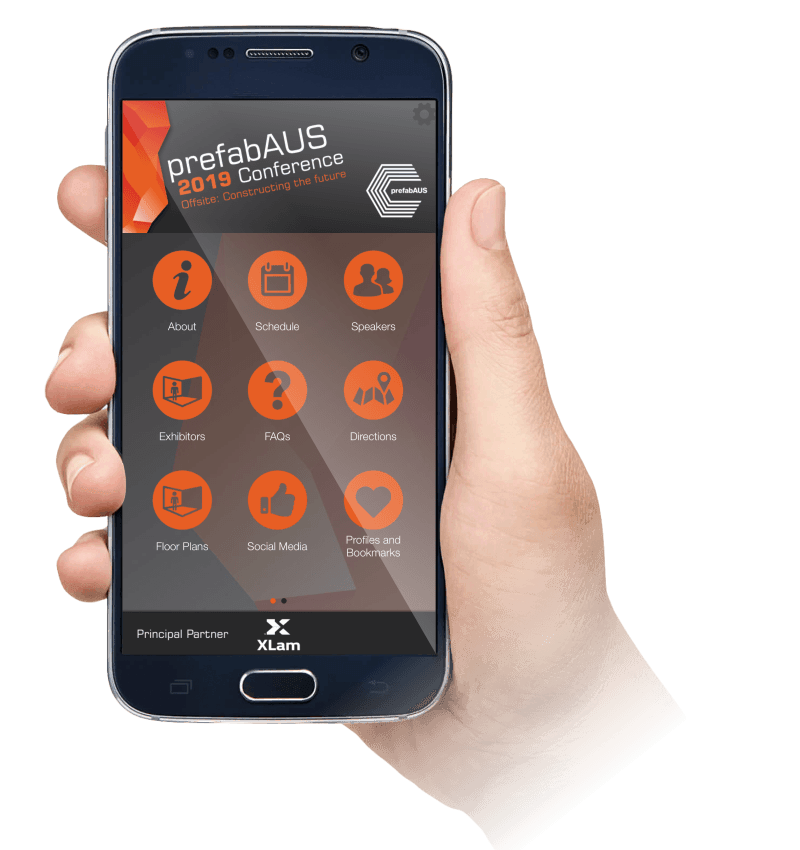
Keep one simple digital hub page updated rather than sending multiple PDFs. Link to it from QR codes, emails, and name badges to keep everyone on the same page.
Choosing sustainable branding materials and eco name badges
Every physical item you produce sends a message. Aim for low-impact, durable, and genuinely useful materials that support your sustainable event planning rather than undermine it.
- Eco banners. Look for suppliers using recycled or alternative substrates for pull-up banners and displays.
- Digital signage. Use screens where possible to avoid repeated printing and last-minute re-runs.
- Eco name badges and lanyards. Swap plastic holders for recycled or plantable badges and biodegradable cotton lanyards that can be composted at end-of-life.
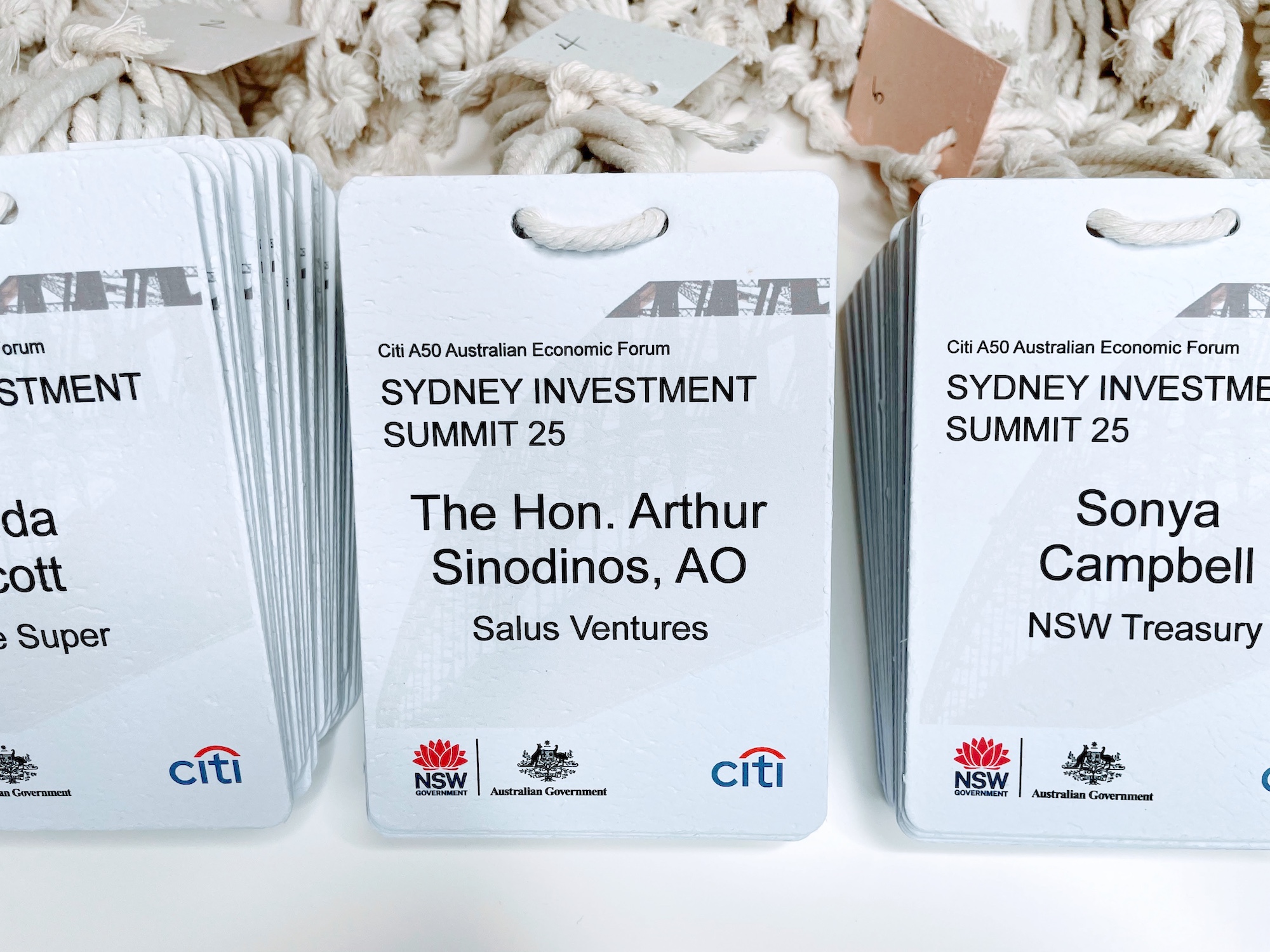
Many Terra Tag clients tell us that plantable or recycled badges become a talking point at registration. That small moment of delight can lift the perceived quality of the entire event.
🌿 Planning badges and lanyards now? See our conference name badges for recycled and plantable options, artwork guidance, and production timelines.
Engaging attendees through sustainability
Sustainability should feel like a natural part of the event experience, not a lecture. Build small, meaningful touchpoints into the programme.
- Host a short session on low-waste living, regenerative design, or circular economy themes relevant to your audience.
- Invite local organisations to host information booths or micro-activities aligned with your event topic.
- Offer a plantable or reusable giveaway that ties directly to your content rather than a generic logo item.
- Explain your sustainability choices briefly from the stage so people understand the “why”, not just the “what”.
Invite attendees to write one commitment on the back of their plantable badge before they leave. They take it home, plant it, and are reminded of the event as it grows.
Partnering with sponsors who support your sustainability story
Sponsors can strengthen your eco-friendly event marketing strategies when their products and operations genuinely support your goals.
- Look for partners with clear, transparent sustainability reporting rather than vague claims.
- Offer sponsorship packages that focus on high-value experiences, not plastic-heavy merchandise.
- Encourage sponsors to talk about impact rather than only branding.
- Integrate sponsor stories into your pre-event content where they genuinely add value to attendees.
Instead of sponsoring tote bags, invite a sponsor to fund refill water stations, accessible seating areas, or subsidies for public transport. These are easy to communicate in your event marketing and feel thoughtfully sustainable.
Place, venue, and community impact
Where and how you host your event is a powerful part of your sustainable event planning story.
- Choose venues with clear sustainability credentials and published environmental plans.
- Prioritise local suppliers for catering, staging, and printing to reduce transport impacts.
- Highlight accessibility features up-front so more people can attend comfortably.
- Show how your event supports local communities, for example through local performers or partnerships with community organisations.
Include a short “Why we chose this venue” section in your marketing. This helps attendees understand the logic behind your sustainable events Australia decisions and reinforces trust.
Ready-to-use copy templates
Use these as a starting point and adapt to your tone, details, and organisation.
Event landing page sustainability paragraph
“This event is designed as a practical, low-waste experience. We are working with an Australian venue that prioritises energy efficiency and responsible waste management, serving thoughtfully sourced catering, and replacing plastic name badges with recycled or plantable options from Terra Tag. You will receive a digital agenda and joining information so we can minimise printing without compromising clarity.”
Pre-event email snippet
“You will notice a few sustainable touches on the day. We are keeping printed materials to a minimum, using eco-friendly name badges and biodegradable lanyards, and providing clearly marked recycling and compost stations. You will receive all the details you need by email and on our event hub, so there is no need to print anything.”
On-the-day email or app message
“Today we are aiming for a low-waste, low-plastic event. Please bring a reusable bottle or keep-cup if you have one, use the digital agenda instead of printing, and follow the signs for recycling and composting. Your eco badge can be planted or composted after the event. Full instructions are on the back.”
Social caption to highlight your eco approach
“We are keeping this event smart and low waste with digital agendas, eco-friendly name badges, and thoughtfully chosen suppliers. Join us for a day of useful conversations that does not cost the earth.”
Store these snippets in your event playbook so future organisers can reuse them rather than starting from scratch each time.
Tools and resources for sustainable event planning
These resources can help you deepen your approach and give your eco-friendly event marketing strategies more substance.
- Sustainable Event Alliance: sustainable-event-alliance.org
- ICC Sydney Green Events Guide (PDF): download
- Terra Tag conference name badges: Eco-friendly badges and lanyards made in Australia
Avoid broad claims like “fully sustainable” or “zero impact” unless you have data to back them. It is better to describe specific actions and measurable improvements than to overstate.
Eco-friendly event marketing strategies are simply good marketing with clearer intentions. When you combine thoughtful planning, honest communication, and practical sustainable choices, you not only hit your numbers you also build trust, loyalty, and a better experience for everyone involved.
Frequently asked questions about eco friendly event marketing
Still have questions This section covers some of the most common things Australian organisers ask when planning sustainable events.
What are eco friendly event marketing strategies
Eco friendly event marketing strategies are ways of promoting an event that reduce environmental impact while still meeting your goals for registrations, attendance, and sponsor value. They include choices such as selecting a venue with clear sustainability credentials, reducing printed materials, using recycled or plantable name badges and biodegradable lanyards, and making waste separation easy for attendees. The focus is on practical actions you can measure and communicate clearly, not vague green claims.
How can I market a sustainable event on a small budget
Start with the channels you already own. Use your email list, simple social posts, and partner networks rather than paid ads. Be very clear about who the event is for and what they will gain, then add one or two visible eco choices such as plantable or recycled badges, digital agendas, and clear waste stations. These low cost eco friendly event marketing strategies still give you a strong sustainability story without needing a full campaign budget.
How do I avoid greenwash when promoting a sustainable event
Avoid broad phrases like fully sustainable or zero impact unless you have robust data to support them. Instead, describe specific actions such as plastic avoided, percentage of plant based catering, or the use of recycled and plantable materials. Name your partners and resources, link to venue sustainability pages, and be honest about where you are still improving. In Australia, audiences tend to trust clear, modest claims more than big slogans.
How can I prove the impact of my green event marketing to sponsors
Decide what you will measure before you launch your campaign. Useful metrics include registrations, attendance rate, sponsor leads, survey results, digital versus printed materials, and estimated CO₂ savings from initiatives such as eco badges and low waste catering. After the event, share a short impact summary with sponsors that combines numbers, photos, and a few attendee quotes. This gives them tangible evidence that your sustainable event planning delivered results.
Which event materials make the biggest difference to sustainability
Focus first on items that are produced in high volumes and often thrown away. This usually includes name badges and lanyards, printed programmes, signage, and common giveaway items. Switching to recycled or plantable badges and biodegradable cotton lanyards, reducing printed booklets in favour of digital agendas, and replacing plastic heavy swag with useful, long lasting items can all make a clear difference. Choosing suppliers with transparent practices such as Terra Tag for badges and lanyards also strengthens your eco story.
