How to Plant Seed Paper and Watch an Incredible New Beginning

You’re Holding Something Better Than Plastic

The event you just attended made a better choice for the planet. Instead of the usual plastic name badge and lanyard (which sit in landfill for 500 years), you’ve been given one that will grow into something new. Learn how to plant your badge below.


What You’ll Need

Before you start planting seed paper, gather a few things:

  • No garden? A pot and sunny windowsill work perfectly

How to Plant Seed Paper in 4 Simple Steps
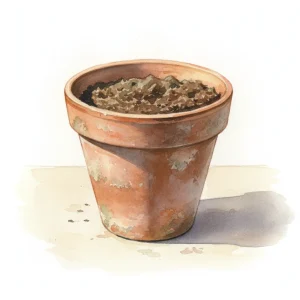
Preparing loose moist soil before planting seed paper
  • Use loose, moist, well-draining soil.
  • Think soft and crumbly, not dry or compacted.
  • Good soil makes all the difference when you’re learning how to grow seed paper the right way.
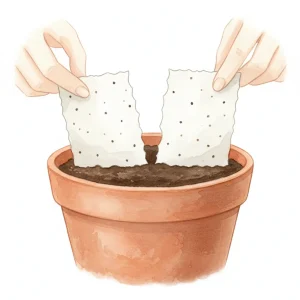
Placing seed paper on soil and covering lightly to help seeds grow
  • Place your seed paper badge on top of the soil.
  • You can tear it into smaller pieces for easier planting – this sometimes helps the seeds spread out.
  • Cover the paper lightly with about 3mm of soil. Don’t bury it too deep; the seeds need a bit of light to germinate.
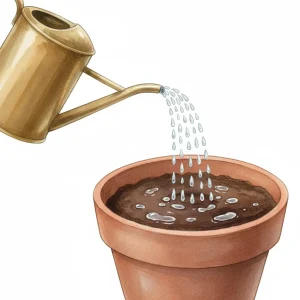
Watering seed paper after planting to keep soil moist for germination
  • Water until the paper is fully soaked and the top layer of soil is moist.
  • It should look happily damp, not drowned.
  • Consistent moisture is key when it comes to how to grow plantable paper successfully.
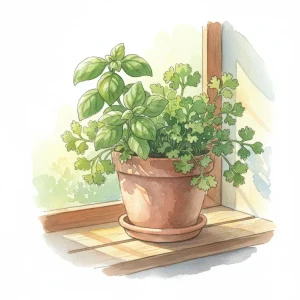
Seed paper growing in sunlight with regular care during early growth
  • Place it somewhere with good light.
  • Keep the soil moist (never dry) for the first 1–2 weeks — daily check-ins are ideal.
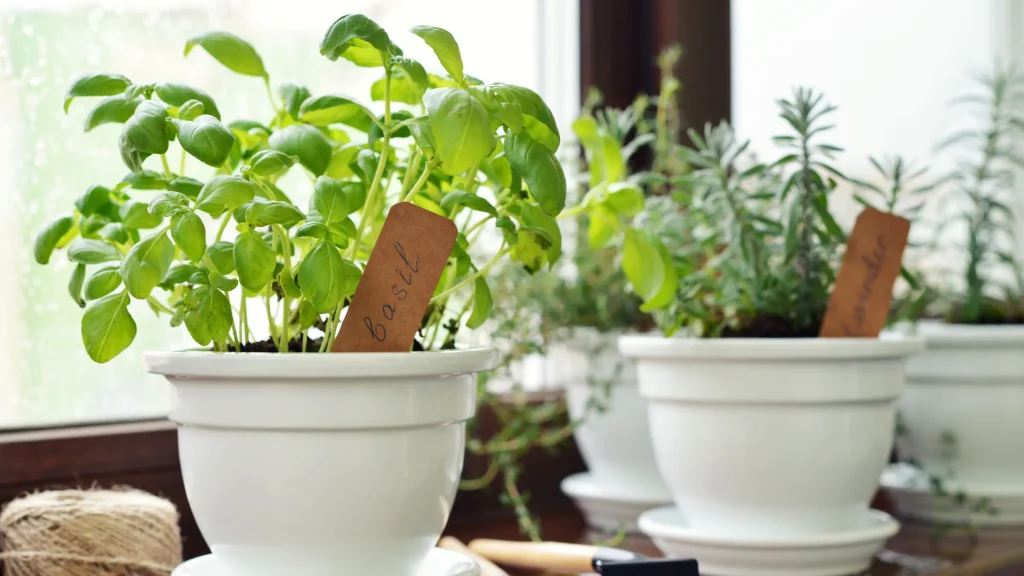
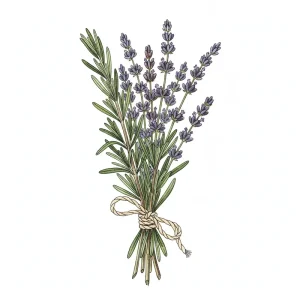
growing seed paper herbs
  • If you keep the soil moist and give it light, you’ve done enough. The rest is nature’s job.
  • After about 7–21 days, you’ll start to see tiny green sprouts poking through the soil.
  • Continue to care for the seedlings with regular water and sunlight.

Your Badge’s Second Life 🌼

Terra Tag creates zero plastic name badges and lanyards for Australian events, designed to be planted, reused, or returned to the earth. Every Terra Tag badge has a story beyond the event – plant it, nurture it, and watch it grow into something beautiful.

Curious about nurturing native blooms? Explore Australian Native Plants Society’s guide to growing wildflowers for more inspiration.


How to Recycle or Compost Your Biodegradable Lanyard

Terra Tag lanyards are made from 100% unbleached cotton, so they’re completely biodegradable. Here’s how to dispose of or reuse your Terra Tag lanyard responsibly after the event:
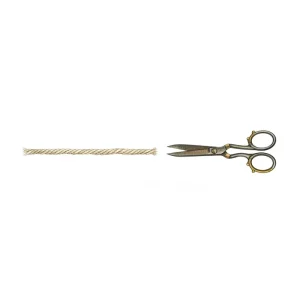
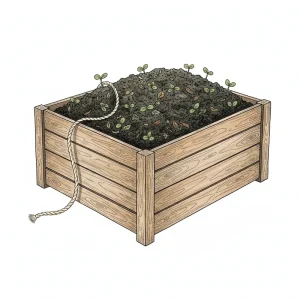
Removing a cotton lanyard from a name badge before composting
  • Untie or snip off the cotton lanyard. That’s the part that biodegrades.
Biodegradable cotton lanyard being placed into home compost
  • Pop it into your home or community compost.
  • It will break down naturally in a few months.
  • No compost? It will still biodegrade safely if thrown in landfill.
Cotton lanyard reused as garden twine instead of being thrown away
  • It makes excellent garden twine, gift wrap ribbon, or even pantry tie-ups for rogue bags of rice.
Recycling or composting paper name badges after an event
  • Seed paper badges: Plant, recycle, or compost
  • Recycled paper badges: Recycle or compost as normal paper

Thank You for Closing the Loop

Every Terra Tag product is made to grow or return to the earth. By following this simple guide on how to plant seed paper, you’ve helped close the loop and make events more sustainable. We think that’s pretty brilliant.

Reach out to the Terra Tag team – we’re always happy to help make the most of our products.


How to Plant Seed Paper FAQs

You’ll usually see the first sprouts within 7–21 days, depending on the seed mix, weather, and how much sunshine they get. Think of it as nature’s version of a progress bar — slower, but infinitely cuter.

Yes! You can start it indoors in a small pot near a sunny window. Once your seedlings are a few centimetres tall, gently transplant them outside (or keep them on your windowsill if you’re tight on space).

It’s optional but helpful. Tearing the paper into smaller bits helps spread the seeds more evenly and makes it easier for water and light to reach them.

Cover your seed paper with about 3mm of soil — just enough to keep it cosy but still allow light to reach the seeds. Too deep, and they’ll struggle to find daylight.

Loose, well-draining potting soil or seed-raising mix works best. Avoid dense or clay-heavy soils that can smother your seeds before they sprout.

For the best germination rate, plant your seed paper within 12 months of receiving it. After that, the seeds might lose a bit of their pep (and who can blame them?).

It does as long as it’s planted correctly and kept moist while the seeds germinate. Every piece of Terra Tag seed paper is made with fresh, high-quality seeds that are mixed into recycled paper pulp, so when you plant it, the paper breaks down and the seeds can grow.
Results depend on sunlight, soil type and season, but with a bit of care you’ll see sprouts within 1–3 weeks. Think of it as proof that small actions really can bloom into something beautiful. 🌱

Yes! Making your own seed paper is a brilliant way to reuse scrap paper and give it a second life. All you need is some old paper, a blender, and a handful of seeds. It’s a fun, eco-friendly project — perfect for home crafters or classrooms.
👉 Check out our step-by-step guide to making seed paper to learn how to blend, press and dry your very own plantable sheets.