
The Hidden Environmental Cost of Events: How Much Waste Do We Really Produce?
Executive summary on the environmental cost of events
Significant individual footprint: The average conference attendee produces approximately 1.89 kg of waste per day, adding up quickly at large events.
Major waste streams: The most significant waste categories are food waste (often up to 40% of catered food), single-use plastics, paper products, and construction or décor materials.
The real cost of waste: Waste disposal is a major line item for event organisers, driven by landfill levies, labour, and transport costs across Australia.
Regulatory landscape: All Australian states are implementing bans on single-use plastics, with regulations like the ACT Plastic Reduction Act creating plastic free zones for public events.
Broader environmental impacts: Beyond landfill, event waste contributes to the wider environmental impact of events through greenhouse gas emissions, water and soil pollution, and biodiversity disruption.
Events, whether intimate corporate meetings or large-scale festivals, often leave a significant environmental footprint, especially when you look closely at the environmental impact of events in Australia. Beyond the visible litter after the crowds leave, there is a hidden environmental cost of events that includes resource depletion, energy consumption, and greenhouse gas emissions across the event lifecycle. For organisers and attendees alike, understanding these less apparent environmental impacts is essential if we are to run cleaner, greener gatherings in Australia and reduce the environmental cost of events.
In this article, we will dig into how much waste events produce in Australia, why it matters, and practical ways to reduce the environmental impact of events. From a Perth business conference to a music festival in Melbourne, sustainable choices can make a huge difference. The goal is to make sustainable events in Australia achievable, cost effective, and genuinely beneficial for your reputation. Let us shine a light on the waste we produce and how we can do better.

The scope of event waste in Australia
Australia’s events industry’s environmental impact is often overlooked, even though event waste in Australia has become a growing concern for councils and venues. Events of all sizes, whether conferences, festivals, community fairs, or sports matches, generate significant waste, much of which ends up in landfill or is improperly disposed of. Think about the last big event you attended, the piles of discarded food containers, promo flyers strewn about, empty bottles and cups overflowing from bins. Now multiply that by thousands of events across the country.
Understanding the scope and types of waste generated is essential for anyone trying to reduce event waste in Australia or improve sustainability outcomes. We’re not just talking about a bit of litter; we’re talking about tonnes of waste per event that contribute directly to the broader environmental impact of events nationwide. In some cases, individual events generate tonnes of waste. Each year, millions of Australians attend ticketed events, plus countless workshops and meetings, and every one of those events has a waste footprint that we need to reckon with.
How much waste do events in Australia produce
Annual waste snapshot:
Australia generates more than 75 million tonnes of waste annually. A substantial portion comes from commercial and industrial activities, which includes the event sector. When tens of thousands of people come together and rely on single-use items and temporary infrastructure, the waste footprint of events scales up very quickly.
Festivals:
A single multi day festival can generate several tonnes of waste. For example, the Glastonbury Festival in the United Kingdom has reported around 2,000 tonnes of waste for roughly 200,000 attendees over five days. Australian festivals, though generally smaller in scale, face comparable challenges and proportions. An estimated 80% of trash at summer music festivals can be generated and left behind by campers themselves, including abandoned tents, sleeping bags, camp chairs, and food and drink containers. This “leave it and leave” behaviour means festival organisers often contend with fields of discarded gear once the music fades, dramatically increasing clean up waste and the environmental cost of events.
Conferences:
The average conference attendee produces approximately 1.89 kg of waste per day, mostly from single-use items such as coffee cups, water bottles, and printed materials. Consider a three day industry conference at a Sydney hotel with 500 delegates. That could be around 2,800 kg of waste generated by attendees over the event, just in disposables and consumables. Multiply that across hundreds of conferences nationwide and you can see why organisers are starting to pay close attention to waste streams. Catered meals, goody bags filled with brochures, and disposable name badges all add to the pile.
Community and sporting events:
Fun runs, city festivals, and sports matches generate waste too, often in the form of water bottles, food packaging, and promotional materials. A city marathon can leave streets littered with paper cups and sponges from hydration stations. A single AFL grand final at the MCG will result in tens of thousands of pie wrappers, beer cups, and ticket stubs. These are cleaned up overnight, but much of that waste still heads to landfill if not sorted properly.
Australia’s love of events, from local weekend markets to New Year fireworks in Sydney, means we collectively produce a lot of event waste. Reports from organisations like Clean Up Australia show that commercial and industrial activities contribute a large portion of national waste, and a significant share still ends up in landfill. The environmental cost of events has plenty of room for improvement.

Anatomy of event waste in Australia
1. Food waste at events
Scale:
At Australian events, up to 40% of catered food can go uneaten. This waste not only represents lost resources and money, it also generates methane emissions when sent to landfill, because food rotting without oxygen produces methane, a potent greenhouse gas.
Case in point:
The Sydney Royal Easter Show has reported that food waste was one of its largest waste categories, prompting extensive composting and food rescue initiatives. Similarly, many corporate events find that sandwich platters and buffet items are tossed if attendee numbers are overestimated.
Impact:
Wasted food means wasted water, energy, and effort. Decomposing food in landfill produces methane, which is far more potent than carbon dioxide as a greenhouse gas in the short term.
Solutions:
Partner with food rescue organisations such as OzHarvest or FoodBank. Offer smaller portion sizes or “on demand” catering. Educate attendees with small nudges, for example signage at buffet stations that says “Take only what you will eat. Love food, hate waste.”
2. Single-use plastics
Common items:
Cutlery, plates, straws, coffee cups with plastic linings, water bottles, and plastic wrap dominate event waste bins.
Impact:
Plastics take centuries to decompose and break into microplastics that contaminate soil and water. Wildlife can ingest or become entangled in this litter.
Regulatory note:
All states and territories have introduced bans on many single-use plastic items. The ACT has gone a step further. Under the Plastic Reduction Act 2021, public events in Canberra can be officially declared single-use plastic free zones.
Solutions:
Transition to biodegradable or compostable alternatives, and ideally encourage reusables. Introduce “bring your own” policies for water bottles or coffee cups. Sustainable event supplies such as compostable packaging and eco friendly event badges are now readily available and are essential tools for reducing the environmental cost of events.
Example: The Falls Festival in Lorne has implemented a plastic free initiative, offering compostable food ware and water refill stations, which dramatically cut down plastic waste.
3. Textiles and merchandise waste
Examples:
Branded T shirts, tote bags, lanyards, promotional caps, banners, and flags are often produced for events then discarded.
Impact:
Synthetic fabrics such as polyester and nylon shed microfibres, contributing to microplastic pollution. Producing cotton or polyester requires significant water, energy, and chemicals. In landfill, natural textiles can produce methane, while synthetics simply persist.
Solutions:
Use sustainably sourced materials such as organic cotton or recycled PET. Better still, limit physical merchandise. Opt for digital giveaways or experiences instead of stuff. Plan for donation or textile recycling for any dated banners or surplus shirts.
4. Paper waste
Sources:
Flyers, brochures, printed schedules, programs, tickets, and notepads.
Impact:
Paper production is resource intensive. Improper disposal or contamination, such as coffee spills, often leads to paper going to landfill. Glossy or laminated papers can be harder to recycle.
Solutions:
Go digital wherever possible. Switch to mobile apps or QR codes. If you must print, use recycled paper and soy-based inks. Consider innovative materials like seed paper, which turns a waste product into something plantable instead of trash. Provide clearly marked paper recycling bins at all sustainable events in Australia.
5. E-waste
Examples:
Batteries, light-up wristbands, RFID badges, and electronic signage.
Impact:
E-waste contains hazardous substances such as lead, mercury, and cadmium that can leach into soil and water. Globally, only a small proportion of e-waste is properly recycled.
Solutions:
Prioritise reusability. Use rental services for electronic equipment. For attendee tech, have a collection bin post event specifically for electronics and partner with an e-waste recycler.
6. Construction and décor waste
Sources:
Temporary stages, exhibition booths, marquee tents, flooring, PVC banners, and carpet.
Impact:
These materials often consist of mixed or non recyclable components and can contribute heavily to landfill. A single trade show can fill multiple dumpsters with broken down booth materials.
Solutions:
Opt for modular and reusable systems. Rent décor and props. For signage, use generic branding that can be reused, or use digital signage. Donate usable materials, for example carpet squares to community centres or timber to Men’s Sheds.
7. Unsorted waste and contamination
The problem:
Even if you have recycling bins, contamination with the wrong items, such as food in the paper bin, often sends the entire batch to landfill.
Impact:
Contaminated recyclables cannot be recycled and will be diverted to landfill, often incurring higher processing costs as well as increasing the environmental impact of events.
Solutions:
Provide clear signage on bins and even staffed waste stations. Eco volunteers at bin stations can dramatically reduce contamination. Ensure event staff and vendors follow the waste separation rules. Investing in pre event planning and training yields much better waste outcomes.

Why the environmental impact of events matters
The sheer volume and variety of waste generated by events create a ripple effect of environmental consequences, and highlight why the environmental impact of events deserves serious attention in Australia. It is important for event professionals to see the full picture of the environmental cost of events and the wider environmental impact of events overall.
Greenhouse gas emissions
Waste in landfill produces methane, a greenhouse gas far more potent than carbon dioxide. The manufacturing and transportation of single-use items also have a significant carbon footprint. Large events can have carbon footprints in the thousands of tonnes of carbon dioxide.
Landfill overflow
Australian landfills are filling up. Events that generate tonnes of rubbish contribute to this strain and perpetuate the “Not in my backyard” problem of finding new landfill sites.
Resource depletion
Events consume vast quantities of single-use products made from non renewable or resource intensive materials such as petroleum, trees, and minerals. This perpetuates a linear “take make waste” economy instead of a circular one.
Water and soil pollution
Improper disposal of waste can lead to leachate, with plastics and chemicals contaminating local waterways and soils. Rain can wash pollutants from an event site into stormwater drains, harming aquatic life.
Biodiversity and habitat disruption
Outdoor events can damage vegetation, compact soil, and displace wildlife. Litter poses direct dangers to animals, which can ingest or become entangled in it. Leftover rubbish can also attract pests and alter local wildlife behaviour.
Community impact
Local communities bear the brunt of event waste issues through litter and cleanup costs. Events that manage waste poorly can face complaints and damage their reputation, while those that manage waste well can win local goodwill.
Long term sustainability
Rampant event waste is incompatible with Australia’s move towards a circular economy. Addressing waste can position an event as a leader in sustainability, attracting sponsors, attendees, and positive media.
Waste might be the most visible environmental consequence of events, yet its effects extend far beyond what meets the eye. The encouraging part is that awareness is growing. Surveys show that many Australians prefer attending events with environmentally friendly practices. People want to have fun and feel good about it.
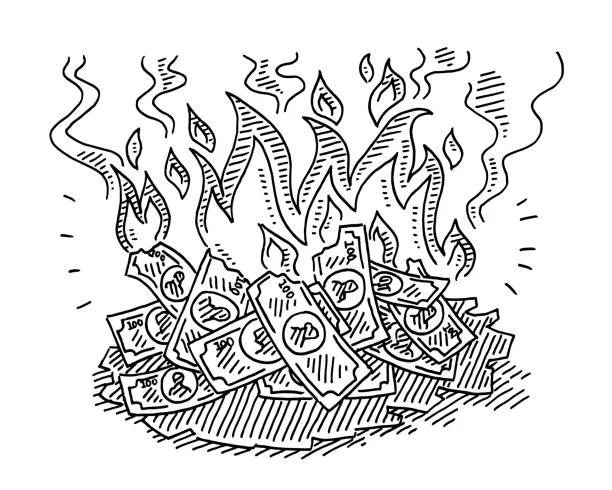
The economic cost of waste disposal for Australian event organisers
Managing waste effectively is not just an environmental concern. It is also a significant financial consideration for event organisers.
1. Direct waste disposal costs
Bin hire and collection fees: Waste management companies charge based on bin size, waste type, and number of collections. A 240 L wheelie bin might cost around AUD 25 to AUD 50 per pickup, while larger skip bins can cost several hundred dollars each time they are hauled away.
Landfill levies: This is a state specific charge per tonne of waste sent to landfill designed to encourage recycling. If your event produces several tonnes of general waste, the levy component alone can amount to hundreds of dollars.
2. Labour costs
On site waste management: Hiring staff or contractors to manage waste during the event adds to costs, especially with evening or weekend penalty rates.
Post event cleanup: After the last attendee leaves, a cleanup crew for a mid sized outdoor festival can cost thousands of dollars. If you underestimate cleanup needs, you might face overtime charges or penalties from the venue owner.
3. Costs of recycling and sorting
Contamination penalties: If your recycling bins are heavily contaminated, the waste contractor may charge the higher general waste rate or an extra sorting fee.
Specialised waste streams: Items such as e-waste, batteries, or hazardous materials require separate handling and often higher fees for proper disposal.
4. Transportation costs
Distance to disposal facilities: If your event is in a remote area, transporting waste can be a big expense because of fuel and time.
Frequency of haulage: Multiple trips to empty skips or haul loads cost money. Compacting waste on site can reduce the number of required trips.
5. Penalties and fines for non compliance
Regulatory fines: Failing to meet local council waste management requirements can lead to fines or the loss of your venue bond, which is often thousands of dollars.
Single-use plastics bans: Breaking plastic reduction rules can result in penalties or reputational damage.
Reputation damage: Failing to meet sustainability pledges can result in public criticism, affecting ticket sales and sponsorship for future events.
6. Long term economic benefits of sustainability
Cost savings through waste reduction: The less you use and throw away, the less you spend on both procurement and disposal.
Sponsorship and grants: Leadership in sustainability can attract sponsors that value green initiatives and unlock government grants.
Improved attendee satisfaction: A reputation for sustainability can attract a bigger, more loyal audience, leading to better ticket sales and long term support.
Long term viability: Building sustainability in now means you are prepared for future regulations and may run the event more cheaply over time by investing in reusables.
Your 10 point plan for a greener event
Quick checklist
Here are 10 proven strategies that Australian organisers use to create sustainable events in Australia that tread more lightly on the Earth.
- Implement a green event checklist and set clear sustainability targets.
- Choose sustainable venues with strong environmental credentials.
- Prioritise digital materials instead of printed programs and flyers.
- Adopt sustainable catering with plant based options and food rescue.
- Eradicate single-use plastics wherever possible.
- Switch to eco friendly name badges and signage instead of PVC.
- Encourage greener transport choices for attendees and staff.
- Collaborate with eco conscious vendors and partners.
- Engage and educate attendees about your sustainability efforts.
- Monitor, measure, and share your impact so you can improve next time.
1. Implement a green event checklist
Start planning with sustainability in mind from day one and you can reduce the environmental cost of events. Use Terra Tag’s Green Event Checklist, a free resource we have created, to guide every stage of your event planning. This checklist covers core areas such as waste management, energy use, transportation, and attendee engagement.
Focus on key categories, including venue, catering, materials, transport, and communications. Set targets for each category, for example “at least 50% waste diversion from landfill” or “no single-use plastic water bottles”. In Australia, some councils provide sustainable event guidelines, so check whether your local council has one and incorporate it.
Having a documented plan helps if you need to report outcomes later for your own sustainability reporting or to meet venue requirements. It essentially becomes your sustainability project plan, anchored in the environmental impact of events that matter most for your organisation.
2. Choose sustainable venues
Where you hold your event can make a big difference. Look for Australian venues with strong sustainability credentials. That means venues that have energy efficient infrastructure, good waste management practices, and ideally environmental certifications.
What to look for: Venues with solar panels or GreenPower electricity, water saving fixtures, recycling and composting systems on site, and relevant green building ratings such as NABERS or Green Star. Many major convention centres in Melbourne, Brisbane, and Sydney have robust sustainability programs and may hold ISO 20121 certification for sustainable events.
Why it matters: Choosing a venue committed to sustainability reduces the overall footprint of your event and can make execution easier. A venue that already has three stream waste stations and policies to cut single-use plastics will take a lot of burden off your team. It also sets the tone. Attendees notice when a venue is eco friendly, and it signals that your event is part of a broader commitment to sustainable events in Australia.
3. Prioritise sustainable or digital materials
Every item you do not have to physically produce for the event is one less item that could become waste. Whenever possible, go digital or choose eco friendly materials to reduce the environmental cost of events.
Go digital: Use event apps or websites for schedules, ticketing, and networking. Australian audiences are tech savvy and generally happy to use an app or QR code instead of paper. For schedules and programs, a mobile friendly PDF or interactive agenda works well. Digital signage can replace printed posters for directions and updates.
When printing is necessary: Use recycled or FSC certified paper and eco friendly inks. Terra Tag’s seed paper name badges are a strong option for events that want to turn waste into something plantable rather than something that goes straight to landfill.
By cutting down on printed matter and event swag, you reduce both the environmental cost of the event and your printing and shipping costs.
4. Sustainable catering and food management
Food and drink are a big part of event hospitality and a big source of waste. Tackling this area can greatly reduce what ends up in the bin and the environmental impact of events overall.
Menu choices: Opt for menus that have a lower environmental footprint. Plant based or vegetarian options typically generate less carbon than red meat heavy menus. You do not have to go fully vegan, but offering a predominantly plant based selection reduces impact. Local and seasonal ingredients also cut down on food miles.
Serve with less waste: Avoid single-use serveware. Where possible, use reusable cutlery, plates, and cups. For coffee and tea, consider washable mugs or genuinely compostable cups, paired with an organics bin.
Food waste plan: No matter what, there will be some food waste. Partner with food rescue organisations such as OzHarvest or SecondBite before the event so they can collect surplus. For what cannot be donated, arrange for composting through your venue or a commercial composting service.
5. Reduce single-use plastics everywhere
Single-use plastics turn up in almost every corner of an event, from catering through to credentials. Reducing them is one of the fastest ways to cut the environmental cost of events.
Audit your event supplies: Go through every item you plan to provide and ask whether there is a plastic free alternative. For instance, instead of plastic badge holders, use paper badges with a punched slot or loop. Terra Tag’s badges are designed to be used without plastic sleeves while still looking polished.
With plastic bans in place across several states, the market is full of alternatives for sustainable events Australia wide. You can find compostable straws, wooden cutlery, and plant based packaging in most major cities.
Eliminate bottled water: Provide water refill stations rather than individual bottles. This is one of the simplest ways to reduce the environmental cost of events without compromising attendee experience.
6. Eco friendly name badges and signage
Name badges and lanyards are Terra Tag’s speciality and they are an easy way to cut down event waste. Traditional PVC name badges, clips, and nylon lanyards contribute to waste and often cannot be recycled. By switching to alternatives, you remove an entire plastic stream from your event.
Use seed paper badges or badges made from recycled card instead of plastic holders. These can be designed beautifully and printed clearly. Attendees often find them novel and memorable, especially when they can plant them after the event.
Pair them with biodegradable lanyards made from undyed cotton or other low impact fibres. Terra Tag’s recycled paper name badges and plantable seed paper badges come fully assembled with eco lanyards, which removes printing and assembly stress as well as waste.
As a bonus, include a tiny note or QR code on the badge explaining how to recycle or plant it. This engages attendees in your sustainability story and reduces the environmental cost of your event badges long after the lights go down.
7. Encourage greener transportation
Transport can be a major indirect source of emissions for events. While you might not control how people travel, you can influence their choices and reduce the broader environmental impact of events.
Promote public transport: When communicating with attendees, highlight public transport options and link to journey planners. Mention nearest stops and any services included with the ticket.
Carpooling and ride shares: Encourage attendees to share rides if they must drive. Offer simple prompts in your pre event communications or include a carpool question on registration.
Cycling: Provide bike racks or a secure bike parking area if feasible and mention it in your event info. In some cities, that small detail is the nudge people need to ride instead of drive.
8. Collaborate with eco conscious vendors and partners
You do not have to do everything yourself. Work with suppliers who already have sustainability baked into their operations so you can share the load of managing the environmental cost of events.
Caterers, AV teams, and printers: Ask about their sustainability policies and waste practices. Choose suppliers who use recycled materials, low waste production methods, or local product sourcing.
Recycling and compost partners: Partner with container deposit operators and composting services where possible. They often provide bins and collect waste as part of their service, which makes it easier to achieve your diversion targets.
Collaborating with the right partners not only reduces waste but can also uncover new ideas and innovations you can carry into future events.
9. Engage attendees in sustainability
Your attendees are key stakeholders in your sustainability goals. Engaging them helps you achieve better waste outcomes and can enrich their experience of the event.
Pre event education: Use registration emails or social media to explain that your event is aiming to be sustainable. Encourage people to bring reusable bottles or cups and let them know what to expect on site.
On site nudges: Clear signage at bin stations, simple messages on screens, and short announcements from the MC can make a real difference to how people behave.
Post event follow up: Share results in your thank you email. Let people know how much waste was diverted or how many kilograms of carbon you avoided. This reinforces good habits and makes the environmental impact of events feel tangible and positive.
10. Monitor and measure impact
What gets measured tends to improve. Put processes in place to track sustainability performance before and after the event so you can steadily reduce the environmental cost of events you run.
Track waste outputs: Coordinate with your waste contractor to get figures on how much waste in each category was collected. Many will provide a simple waste report if asked.
Use simple calculators: Even basic estimates of carbon and waste give you a baseline for future events and help quantify the environmental impact of events for internal reporting.
Survey attendees: Include one or two questions on sustainability in your feedback survey to see what people noticed and valued.
Continuous improvement: Use the data and feedback to refine your next event. Make the environmental cost of events a standard part of your event debrief so that, over time, greener events simply become “how you work”.
Further reading on sustainable events in Australia
If you are ready to go deeper on event waste and sustainability, these guides will help you turn ideas into action.
- A practical guide to sustainable events in Australia
- Green event planning checklist
- Eco friendly event planning made simple
Let us make sustainable events the norm
The environmental cost of events is undeniable, and reducing the environmental impact of events starts with small, practical choices. With thoughtful planning and a bit of creativity, events can be both memorable and environmentally responsible. Sustainable events Australia wide are no longer fringe experiments, they are fast becoming the new expectation.
If you are looking to make your next event as sustainable as possible, Terra Tag offers a variety of products and expertise to support your green goals, from plantable seed paper badges to recycled paper conference name tags and biodegradable lanyards.
Let us work together to leave a positive impact. Visit our conference name badges page to see how we cut badge waste and provide clear carbon savings, or explore our name badge impact data if you need hard numbers for your sustainability report.
Your questions answered
What are the most sustainable name tags to reduce the environmental cost of events?
The most sustainable options avoid plastic entirely. Look for name badges made from 100% recycled paper or, for a memorable touch, plantable seed paper that can be grown after the event. Pair them with lanyards made from biodegradable materials such as undyed cotton.
How can I reduce waste at a large conference?
Focus on the biggest waste streams. Go digital with your program and tickets, eliminate bottled water by providing refill stations, work with the caterer to use reusable or compostable serveware, and choose eco friendly name badges that do not require plastic holders. Setting clear waste targets and using a formal green event checklist will make a noticeable difference.
Are eco friendly event supplies more expensive?
Not always. Some sustainable items have a higher unit cost, yet they often lead to savings elsewhere. Encouraging reusable cups and bottles reduces how many single-use items you buy and dispose of. Choosing fully assembled recycled or seed paper name badges can also save staff time and reduce printing and packing costs. Over the life of your event program, reducing the environmental cost of events is usually the most cost effective strategy.
