
2026 Seed paper guide about eco friendly seed paper
Updated February 2026
Seed paper guide for Australia what it is and how to use it
The spotlight on environmental sustainability shines brighter than ever and seed paper has emerged as a star player in this green shift. This plantable paper is not just a fleeting trend. It is a genuinely sustainable material gaining global traction. The global seed paper market is projected to grow at roughly eight to nine percent annually, reaching around USD 1.5 billion by 2027, which is about double the market size of a decade earlier. That tells us plantable paper products are here to stay. From eco friendly event badges to plantable wedding invitations, seeded paper is capturing imaginations as a creative way to reduce waste and give back to the earth.
But what exactly is seed paper, and why are so many businesses and event planners excited about it?
Seed paper at a glance
- What it is Recycled paper pulp with seeds embedded in it. You use it, plant it, and it grows.
- Best for Name badges, invitations, cards, swing tags and small print runs that need a clear sustainability story.
- Biggest strengths Zero waste end of life, memorable user experience, and clear proof of your eco values.
- Watch outs Not all seed paper and seeded paper sheets are equal. Printing methods, seed types and where it is made all affect how eco friendly and effective it really is.
In this updated guide, we explain what seed paper is, how it is made including Terra Tag handcrafted seed paper on the Sunshine Coast, the environmental benefits it offers, and how to use it. You will also find a straight talking section on how to choose responsible seeded paper sheets and avoid greenwash, plus planting guidance you can share with attendees or customers.
Whether you are a sustainability officer looking for greener materials or an event organiser seeking innovative ideas to impress attendees, seed paper and other plantable paper options offer a blend of creativity, practicality and positive impact that is hard to beat. Let us explore why seed paper, plantable paper and seeded paper are becoming the eco friendly choice for a sustainable future.
What is seed paper
Seed paper is a practical eco friendly alternative to traditional paper. At its core, it is paper made from recycled fibres embedded with plant seeds. After you have used the paper for example as a name badge, a business card or a thank you note you can plant it in soil. The paper biodegrades and the seeds germinate and grow into plants, leaving behind zero waste. It is paper with a second life.
The idea of embedding seeds in paper has been around for a long time. Modern plantable paper and seeded paper, however, have been refined and popularised as sustainability game changers. Most high quality seeded paper today is handmade or produced in small batches so the seeds stay intact and viable. Common seed varieties include hardy flowers and herbs that cope well with being in paper and then being planted later.
One simple way to think about seed paper is as a marriage between recycling and gardening. It takes something that would otherwise be waste used paper or cotton rag pulp and infuses it with new potential seeds. Instead of throwing the paper away, you plant it and turn disposal into an act of regeneration. This solves two problems at once. It reduces paper waste and adds more green plants to our world.
The handcrafted process of Terra Tag seed paper
At Terra Tag, we create seed paper and plantable paper with meticulous care and a strong commitment to sustainability. Here is how recycled scraps become seed infused sheets for our plantable name badges and stationery.
-
Collecting and recycling paper
It begins with gathering waste paper that would otherwise end up in recycling bins or landfill. We source used paper from local businesses, schools and government offices. By using this post consumer paper, we give existing material a new life and reduce the demand for virgin paper. Recycling one tonne of paper saves trees, water and energy compared with making new paper from wood pulp, so this first step already has a meaningful environmental benefit. -
Pulping
The collected paper is shredded and mixed with water to create a pulp. Think of a thick soup of paper fibres. We do not add harsh chemicals during this process. Our seed paper is made using an all natural approach. The colour of the finished plantable paper often has a soft, earthy tone or speckles from the original documents, which adds to its handmade character. -
Infusing with seeds
Now for the magic. We add a carefully selected mix of seeds into the pulp. At Terra Tag we specialise in herb seeds such as parsley, oregano and thyme and flower seeds such as Swan River daisy and forget me nots. These seeds are chosen for their size, toughness and suitability to Australian climates. Hardy seeds cope with the paper making process and long shelf life, then sprout successfully when planted. We stir the seeds into the pulp by hand in small batches so they are evenly spread but not crushed. -
Forming the paper
The seeded pulp is scooped onto screens and spread out to the desired thickness. This is where the sheet is shaped. We form standard seeded paper sheets and custom formats that become our A6 and A7 seed paper name badges. Excess water drains away through the screen. -
Drying
The wet sheets are then dried. We air dry rather than using high heat to protect seed viability. High temperatures can damage or cook seeds and reduce germination rates. Gentle drying takes longer, but it keeps the seeds alive and ready to grow. Our papermaking studio is solar powered, so the Australian sun does much of the work. -
Cutting and finishing
Once dry, the seed paper sheets are sturdy and ready to be cut or printed. We trim to the sizes we need for badges and stationery. Printing on seed paper is done with care. We use eco friendly water based inks and a low heat inkjet printing process to avoid harming the seeds. Traditional laser printers run very hot and can damage seeds, which is why we avoid them for seed paper printing. The result is a beautifully finished piece of plantable paper that carries your design and carries the potential for new life.
Australian councils report that recycling paper and cardboard saves energy, water, trees and landfill space compared with sending those materials to waste. You can see an example from Brisbane City Council in their paper and cardboard recycling fact sheet explaining the environmental benefits of recycled paper .
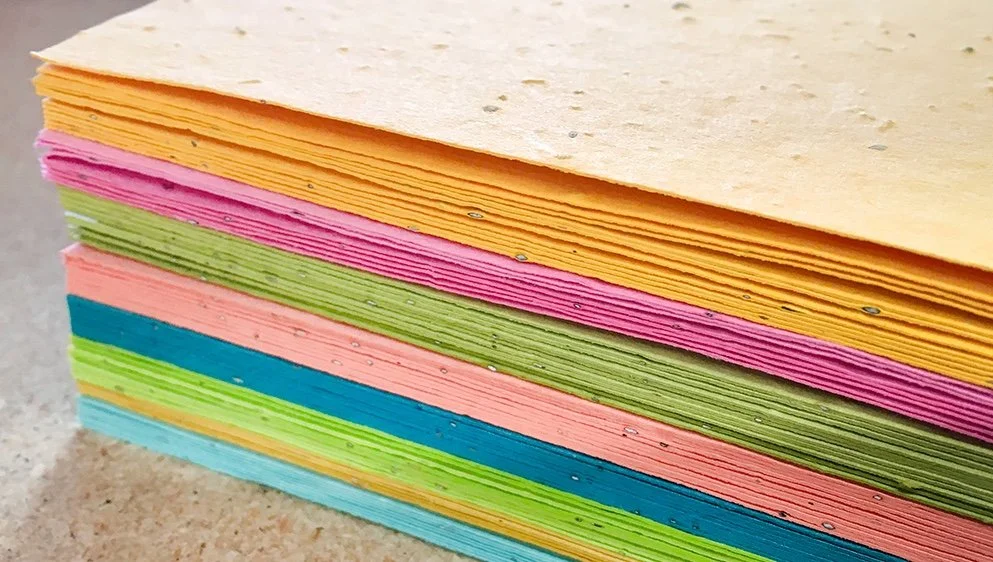
Throughout this process, Terra Tag focuses on local sourcing and minimal waste. By doing everything in house on the Sunshine Coast, we reduce transport emissions. Water from papermaking is reused in multiple batches and then in our garden. Offcuts and scraps of seed paper are composted or sometimes repulped again. Every batch of seeded paper sheets is a small proof point that quality and sustainability can work together.
And yes, the studio smells rather lovely with all that paper pulp and herbs in the air.
Environmental benefits of seed paper
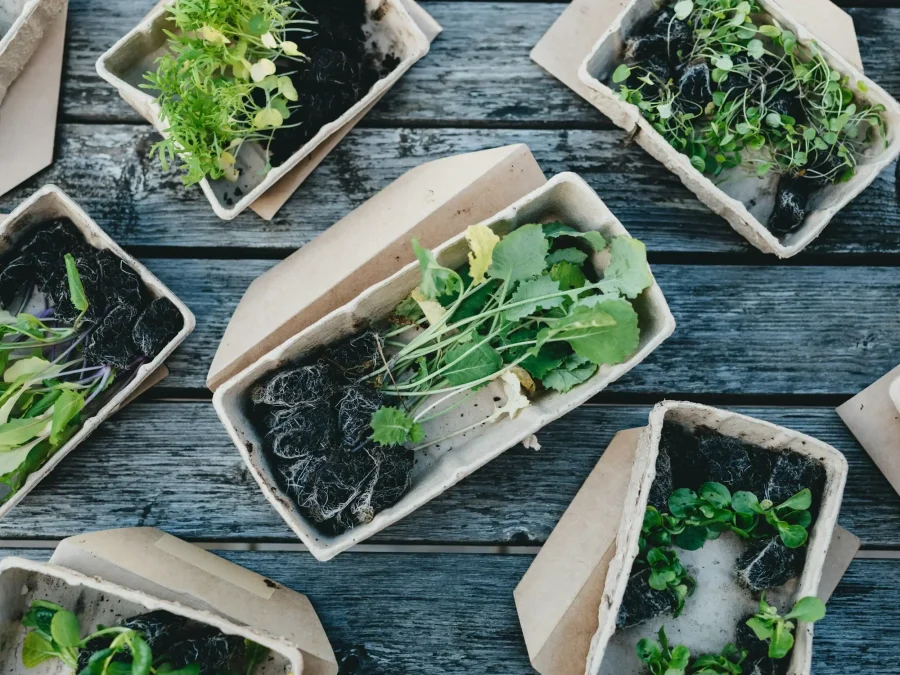
Why go to all this effort to make paper with seeds in it. Because seed paper and other plantable paper products offer a stack of environmental benefits compared with traditional paper and plastic based items. Every piece of seed paper that replaces a plastic badge or laminated card is a step in the right direction.
-
Reduced pressure on forests
Seed paper from Terra Tag is made from recycled materials, so we are not cutting down new trees to produce it. Traditional virgin paper comes from wood pulp and increases demand for logging. Using recycled pulp helps conserve forests and biodiversity and avoids the energy and water intensive steps of turning trees into pulp. -
Biodegradable with zero waste end of life
Seed paper is fully biodegradable and compostable. If you plant it in soil or place it in a compost heap, it breaks down naturally just like a leaf, leaving only organic matter and plants behind. Conventional materials such as plastic name badges or laminated cards can persist in landfill for decades or longer. Even some coated papers behave more like plastic than paper. Terra Tag seed paper contains no plastic coating or lamination, so it can break down cleanly. -
Lower water and energy use
Our artisanal production uses less water and energy than large industrial paper mills. We work at a small scale, with manual or low energy equipment and solar power, and we start with recycled pulp rather than fresh wood fibre. Globally, recycled paper production is recognised as having lower energy and water impacts than virgin paper. Seeded paper made this way taps into those same advantages. -
Supporting biodiversity in everyday spaces
When seed paper is planted and grows, it adds plants to gardens, balconies and courtyards. Our seed mixes are chosen to be beneficial to local biodiversity. Flowers such as Swan River daisy and forget me nots provide nectar for bees, butterflies and other pollinators. Herb plants support home gardens and, if allowed to flower, can also attract beneficial insects. A conference name badge planted in a pot might end up feeding dozens of bees in someone backyard. -
Helping reduce carbon emissions
A single plantable card will not solve climate change, but every additional plant that grows is another small carbon sink. More importantly, the combination of recycled inputs, low energy production and plastic free design makes seed paper a lower impact choice overall than many conventional products. If plantable paper replaces items that would have been plastic, the carbon savings are even more significant.
In short, seed paper is a small powerhouse of positive environmental impacts. It cuts waste, reduces pollution, saves resources, supports biodiversity and gives recipients an easy way to act on their values. For eco conscious brands and event organisers, seed paper and seeded paper sheets are tangible ways to walk the talk on sustainability.
Seed types in Terra Tag seed paper and why they matter
Not all seeds behave the same way in paper. We choose seeds that thrive in Australian climates and work well in pots and home gardens. Here are the seed heroes we currently use in our seed paper.
-
Herbs parsley, oregano, thyme
These culinary herbs are hardy and sprout well in warm weather. They cope well with being embedded in paper and then planted later. If someone plants their seed paper, they can end up with a mini herb garden, which doubles as a daily reminder of your event or campaign. Herb flowers, if you let them go to seed, also attract pollinators. -
Flowers Swan River daisy, forget me nots
We include a mix of flower seeds to add colour and support pollinators. Swan River daisy is an Australian native with dainty purple blue blooms that suits many Australian regions. Forget me nots grow into charming little blue flowers that carry a gentle meaning of remembrance. Both are ideal for bringing colour to containers and garden beds and for supporting pollinators.
We avoid seeds that are invasive or problematic in Australia. Our focus is on non invasive, garden friendly plants that bring joy and have a high success rate. The seeds are relatively small, which helps them sit comfortably inside the paper without making the surface lumpy and allows even distribution across seeded paper sheets.
All seeds are non GMO and untreated. We source from Australian suppliers who understand local biosecurity requirements.
Is seed paper really eco friendly in 2025
This is the question many sustainability teams and event organisers are quietly asking. The short answer is yes, when it is made thoughtfully. But it is important to recognise that not all seed paper and plantable paper products are created equal.
Here are the main factors that influence how eco friendly seed paper really is.
- What the paper is made from
Seed paper made from one hundred percent recycled or upcycled fibres has a much better footprint than seed paper made from virgin pulp. - How the paper is produced
Handmade or small batch production that uses lower energy methods will generally have a lighter impact than industrial machine made seed paper. Machine made seeded paper can sometimes expose seeds to higher temperatures or pressure, which can affect germination. - Where it is produced
Importing heavy seed paper sheets from overseas adds transport emissions and brings biosecurity considerations. Locally made seed paper reduces freight distance and keeps the benefits and jobs in your own country. - Which seeds are used
Non invasive, garden friendly species that suit local climates are a must. Unknown wildflower mixes from overseas suppliers may include species that are not appropriate for Australian gardens. - How it is printed and finished
Water based inks and low heat printing methods help keep the paper safe to plant. High heat laser printing and plastic lamination undermine both germination and eco claims.
At Terra Tag we design our entire process around these factors, hand making seed paper from recycled sources, using non invasive seed mixes suited to Australian conditions, printing with water based inks and keeping production on the Sunshine Coast.
How to choose seed paper and avoid greenwash
If you are comparing seed paper suppliers or deciding whether to use plantable paper at all, here is a simple checklist you can use.
- Ask about the base stock
Is the seed paper made from recycled paper, or is it a virgin pulp product with seeds added. Recycled inputs are preferable. - Check where it is made
Seed paper made in your own country, or at least in your own region, will usually have a lower transport footprint and better alignment with local regulations. - Find out which seeds are used
Look for named herb or flower species that are safe and suitable to plant where your recipients live. Avoid vague wildflower mixes with no detail. - Confirm printing methods
Ask whether the supplier uses water based inks and low heat printing on seed paper. If they mention standard laser printing, that is a red flag for seed viability. - Clarify shelf life
Seed paper does not last forever. As a rule of thumb, plantable paper performs best when planted within about two years of manufacture if it is stored in a cool, dry place. Design your project so recipients understand that there is a best before planting window. - Understand suitability for your audience
Seed paper is ideal when recipients are likely to have access to a pot or garden and will appreciate something plantable. If you are printing documents that will be filed or archived, plain recycled paper may be a better fit.
Used this way, seed paper becomes a thoughtful part of your sustainability strategy rather than a novelty gimmick.
How to plant seed paper
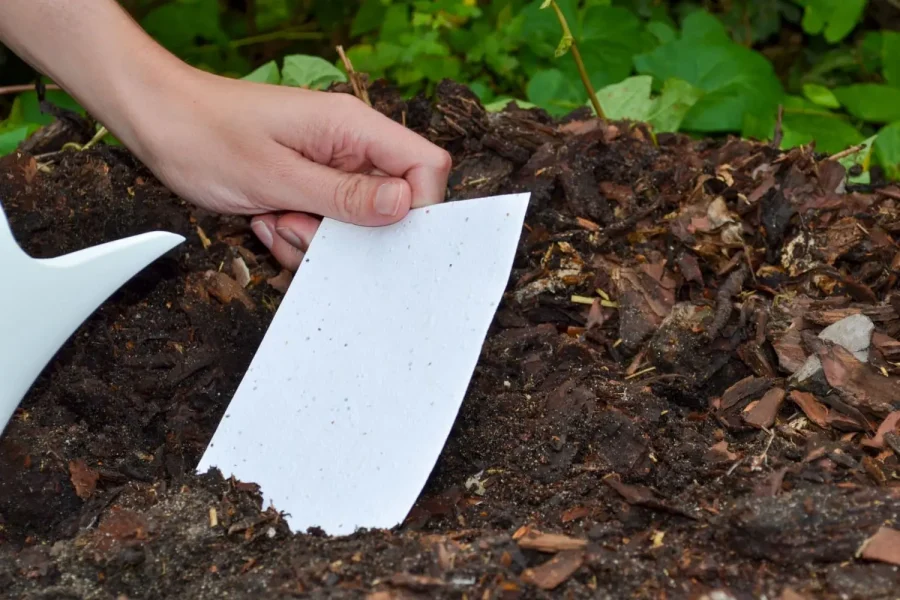
One of the reasons seed paper is so popular is that almost anyone can plant it. You do not need a special setup or a gardening background. In fact, showing people how to plant their seed paper name badge is a lovely way to extend the life of your event or campaign.
-
Prepare a pot or patch
Fill a small pot with good quality potting mix, or choose a patch of garden with loose, weed free soil. Aim for a spot that receives several hours of light each day and has access to water. If you are using a pot, make sure it has drainage holes. -
Plant the paper
Moisten the seed paper gently so it becomes flexible. Place it on the soil surface and cover it with a light sprinkle of soil about five millimetres deep. You can tear larger pieces into smaller fragments if you want to spread seeds across a broader area. -
Water gently
Water the soil thoroughly after planting. For the first one to two weeks, keep the paper and top layer of soil consistently moist. A spray bottle or gentle watering can is ideal so the seeds do not wash away. -
Provide sunlight
Place the pot in a sunny position. Most of our seed mixes prefer at least four to six hours of light daily. Outdoors, this usually happens naturally. Indoors, a bright windowsill works well. -
Watch for sprouts
Small green shoots usually appear within seven to fourteen days, depending on the species and the weather. Keep watering regularly, aiming for moist but not waterlogged soil. -
Thin and care
If many seedlings emerge very close together, you can thin them out by gently removing a few and transplanting them to another pot. Continue regular watering as they establish. -
Enjoy the plants
Herbs will begin producing leaves you can harvest for cooking. Flowers will bud and bloom over the following weeks. At this point the paper has broken down completely into the soil and your seed paper has completed its journey.
If someone does not want to plant the paper, it can still be composted or placed in a green waste bin. Planting simply unlocks the most joyful version of the story.
Terra Tag commitment to sustainability
At Terra Tag, we are not simply making products. We are building a more sustainable way to handle event stationery and name badges.
- Local and ethical production
All Terra Tag seed paper name badges and other products are made in Australia from locally sourced waste paper and seeds. Local production cuts transport emissions and gives us full visibility over the process. Our small team is paid fairly and works in safe, inclusive conditions because sustainability includes people as well as the planet. - Eco friendly inks and printing
We use water based, non toxic inks and low heat printing for seed paper and recycled paper products. We regularly test new options such as compostable foils and plant based inks to keep improving. - Plastic free packaging
Orders are packed using recycled or compostable materials including kraft paper, recycled tissue and paper based tape. There is no plastic shrink wrap involved. - Reducing event planner stress
Sustainability only works when it is practical. When you order Terra Tag seed paper name badges and lanyards we provide a full service solution. We print each attendee details, pair badges with compostable lanyards if required and pack them in a way that makes on site registration easy. They arrive ready to wear so your team can skip late night badge stuffing and focus on the event experience. - Transparency and ongoing improvement
We are happy to share details of our materials, processes and waste handling. If you have questions such as what is in the paper or how offcuts are managed, you will always get a straight answer rather than vague green marketing.
With eco friendly conference name badges and a DIY name badge kit, we are proud to be part of reshaping how events think about materials. Our aim is to prove that seed paper can be a seamless, stylish and genuinely impactful part of your sustainability plan.
Seed paper frequently asked questions
Yes, when the seed paper is made and used correctly. Viable seeds, gentle papermaking, low heat printing and proper planting conditions all matter. Our seed paper is designed to be planted within two years for best results and we include simple planting instructions with every order.
They each have a role. For items that need to be kept on file or stored long term, recycled or FSC certified paper is often the best fit. For items that are naturally short lived such as name badges, event invitations and promotional cards, plantable paper offers extra environmental benefits and a much more engaging story at the end of its life.
Terra Tag seed mixes are chosen to be non invasive and suitable for planting in home gardens and pots in most parts of Australia. As with any seeds, people should follow local guidance if they live in regions with specific restrictions.
Seed paper does not expire like food, but seed germination rates slowly decline over time. We recommend planting Terra Tag seed paper within two years of manufacture and keeping it in a cool, dry place until then.
If someone does not want to plant their seed paper, they can place it in home compost or in a green waste bin. Seed paper can technically be recycled, but planting or composting are usually better uses because they unlock the seeds and keep the story circular.
Further reading on seed paper and plantable paper
Explore more Terra Tag guides
